Sump Pump vs Utility Pump: Which Job Needs Which? (October 2026)
Choose a sump pump for automatic water control in a sump pit, and a utility pump for portable water removal from flat areas or containers. The right choice depends on how the water collects and whether the pump needs to run on its own.
On this page (8 sections)
Choose a sump pump for automatic water control in a sump pit, and a utility pump for portable water removal from flat areas or containers. The sump pump vs utility pump decision depends on how water collects, how low it needs to drain and whether you need automatic operation.
A sump pump sits in a basin and responds to rising water when fitted with a float switch. A utility pump is easier to move between jobs, but its controls and ability to clear shallow water vary by model.
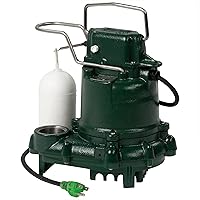
The Wayne CDU790 is built for indoor sump use and has an integrated vertical float switch. The Superior Pump 91330 is a portable utility pump, while the Green Expert combines utility-style water removal with a sensor and automatic or manual modes.

 Best for portable utility work
Superior Pump 91330 Thermoplastic Utility Pump
Sump pump vs utility pump: what is the main difference?
A sump pump manages water collected in a pit; a utility pump moves water from a wider range of temporary locations. The pump's controls and water-level needs matter as much as its name.
A sump system usually has a basin, a pump and a discharge line. When water reaches the switch level, the pump runs and sends water away from the foundation.
Utility pumps are commonly moved to the water source when needed. That can suit a flooded floor, window well, tank or pool, but you need to check how the pump starts and how much water it leaves behind.
How does a sump pump vs utility pump handle automatic operation?
A sump pump with a float switch can start when water rises and stop as the level falls. The Wayne CDU790 uses an integrated vertical float switch for automatic operation.
Utility pumps may be manual or automatic. The Green Expert has both modes and a water sensor, while the Superior Pump 91330's listed features do not specify an automatic switch.
Don't assume that every pump labeled “submersible” will turn itself on. Check the exact controls and instructions before using a pump where water may rise unattended.
Which pump belongs in a sump pit?
Choose a sump pump with automatic control for a pit that needs ongoing drainage. Confirm that the pump fits the basin and connects to the existing discharge setup.
The Wayne CDU790 is designed for an 11 in or larger sump basin. It has a top suction design intended to reduce air lock and limit debris entering from the bottom of the pit.
For background on pump styles and installation needs, see our sump pump buying guide. If your pit is narrow, compare pedestal and submersible sump pumps before selecting a form.
A utility pump can be placed in a pit for a short-term task if its instructions allow it, but portable placement doesn't make it a permanent sump system. It may lack automatic switching or a suitable discharge connection.
When is a utility pump the better choice?
Choose a utility pump when you need to move water from a temporary location or carry the pump between jobs. Look at the water depth, debris and hose connection before using it.
The Superior Pump 91330 is a submersible utility pump with a removable suction screen. It handles solids up to 1/8 in and includes a garden hose adapter, which can help with portable water removal.
For water left across a rigid, flat floor, the Green Expert has a water sensor and is designed to drain to a low suction level. Its instructions call for a rigid, flat surface for best performance.
Utility pumps aren't a substitute for every sump installation. If groundwater repeatedly collects under your basement, an automatic pit system is generally a better match than moving a pump into place after water appears.
What should you use for shallow standing water?
A pump designed for low water removal is the better fit when the goal is to clear a thin layer from a flat surface. The Green Expert's water sensor is designed to drain water down to a low suction level.
Use it on a rigid, flat surface as directed. The product information warns that soft or flexible pool covers can block its low base unless a raised filter or strainer cover is used.
For clean or slightly dirty water in a garage, window well, pool or hot tub, this style can be easier to place than a fixed sump pump. Check the instructions for water conductivity, hose choice and operating mode.
How do flow and lift affect the choice?
Compare flow at the lift height you need, rather than choosing by horsepower alone. A pump's maximum flow is not the same at every discharge height.
The Wayne CDU790 is described as moving up to 4,600 gallons per hour at 0 ft. The Superior Pump 91330 moves up to 2,400 gallons per hour and can lift water up to 25 ft.
The Green Expert is described as moving up to 2,000 gallons per hour at 0 ft and 22.5 gallons per minute at a 10 ft discharge lift. Those figures don't mean it will clear a given area at that rate; hose length, height and water conditions affect the job.
Measure the vertical rise from the pump to the discharge point and note the hose size. If the water must travel a long distance or rise significantly, compare the pump curve or manufacturer guidance for that exact setup.
For a broader motor-size explanation, see how to determine sump pump size. If you're choosing between common motor ratings, our guide to 1/3 or 1/2 HP sump pumps explains what the rating does and doesn't tell you.
Which pump is easier to set up and maintain?
A utility pump is usually easier to move, while a sump pump needs a stable pit installation and a clear discharge path. Follow the manual for placement, hose connections and electrical setup.
The Superior Pump 91330 weighs 7.8 lb and has a 10 ft cord. The Green Expert weighs 8.8 lb and includes a lifting rope and multiple hose adapters.
The Wayne CDU790 weighs 16.4 lb and is intended for indoor use in a sump basin. Keep its float switch free to move, and check that the pump and discharge line remain clear.
Test a sump system before heavy rain and check for proper switching and discharge. Our sump pump testing guide walks through a basic check, while the check valve location guide explains where that valve fits in a discharge line.
Can a utility pump serve as a backup sump pump?
A utility pump can help with a temporary water-removal job, but it isn't automatically a reliable backup system. A backup needs a suitable power source, controls and discharge setup for the situation.
The Green Expert offers automatic and manual modes, but it is corded electric. It won't keep pumping through a power outage unless the system has a compatible alternate power source.
For outages, compare a dedicated battery backup sump pump with the primary pump and alarm setup. A portable utility pump is useful for response work, but someone may need to position it and manage its operation.
Which one should you choose?
Pick a sump pump for repeated pit drainage and a utility pump for portable water removal. Choose by water location, automatic control, required lift and the pump's instructions.
For an indoor pit, the Wayne CDU790 is the clearest match here because it has an integrated float switch. For portable pumping with a garden hose connection, the Superior Pump 91330 fits that role; for shallow standing water on a firm, flat surface, consider the Green Expert.
If the water comes from a toilet or another sewage source, use a pump made for that material. Our guide to sump pumps vs sewage ejector pumps covers that distinction.
Choose the sump pump when water gathers in a basin and needs automatic removal. Choose the utility pump when you need to bring the pump to temporary standing water, and check its minimum water level and controls before starting.
Sources
Frequently asked questions
Can a utility pump replace a sump pump?
A utility pump can remove water from a sump pit in some situations, but it may not offer the automatic float control expected for ongoing drainage. Check how the exact pump starts and stops, how it connects to the discharge line, and whether it suits the pit before relying on it.
Is a sump pump the same as a utility pump?
No. A sump pump is designed to sit in a sump pit and remove water as the level rises, often with an automatic float switch.
A utility pump is a more portable tool for moving water from places such as floors, tanks or window wells, depending on its design.
Which pump is better for a flooded basement floor?
A utility pump designed for shallow water is often a better fit for standing water spread across a floor. Check its minimum water level and surface requirements, and keep electrical safety in mind.
A sump pump is meant for a pit and may not clear a flat floor.
Do utility pumps turn on automatically?
Some utility pumps have automatic water sensors, while others require manual operation. Check the exact pump's controls and instructions.
The Green Expert model here offers automatic and manual modes, while the Superior Pump 91330 information describes a removable suction screen but no automatic switch.
Can I use a sump pump for clean water?
A sump pump can move water from a sump pit, but the pump's intended use, debris limits and installation instructions matter. For clean water in a pool, tank or flat area, a utility pump may be easier to position.
Follow the manual for the specific pump and water conditions.