1/3 or 1/2 HP Sump Pump: Which Size Do You Need? (October 2026)
Choose a 1/3 HP sump pump for typical water entry and a 1/2 HP model when your pit needs more pumping capacity. Check the pump’s flow at your discharge height and make sure the model fits your basin.
On this page (7 sections)
- Sump pump 1/3 or 1/2 HP: which size fits your basement?
- How much more water can a 1/2 HP pump move?
- How do inflow and cycling affect the size choice?
- Will the larger pump fit your sump pit?
- Which of these pumps should you compare?
- What else should you check before replacing a pump?
- Which size should you choose?
Choose a 1/3 HP sump pump for moderate water entry and a 1/2 HP model when your basement needs more pumping capacity. The right sump pump 1/3 or 1/2 HP choice depends on inflow, discharge height, pit space and how often the pump runs.
Horsepower is only a starting point. The pump’s flow falls as it lifts water, so compare its pump curve at your actual discharge height instead of choosing from the horsepower label alone.
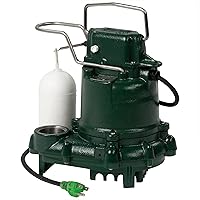
The Wayne CDU790 and CDU800 are useful examples of the size difference. The CDU790 is rated up to 4,600 gallons per hour at 0 ft, while the CDU800 is rated up to 5,100 gallons per hour.


Sump pump 1/3 or 1/2 HP: which size fits your basement?
A 1/3 HP pump is often enough for ordinary inflow, while a 1/2 HP pump gives more capacity for faster water entry. Choose by the water your pit collects and the pump’s flow at the lift height your discharge system requires.
A 1/2 HP motor does not automatically solve flooding. A blocked discharge, stuck float or undersized pit can cause trouble even when the pump has more horsepower.
When is a 1/3 HP sump pump enough?
A 1/3 HP pump can suit a basement where water enters the pit at a steady, manageable rate. It is a sensible starting point when the existing pump controls water during normal rain and snowmelt without running constantly.
The Wayne CDU790 provides a stated maximum of 4,600 GPH at 0 ft and a maximum lifting height of 20 ft. Those figures describe different limits, so check the manufacturer’s pump curve for expected flow at your lift.
The Superior Pump 92341 is another 1/3 HP option, with up to 2,760 GPH and a stated maximum lift of 25 ft. Its smaller stated base dimensions may help when comparing pit fit, but dimensions and float clearance still need checking.
See the best 1/3 HP sump pumps for more options. For a broader method that accounts for inflow and lift, use the sump pump sizing guide.
When should you consider 1/2 HP?
Consider a 1/2 HP pump if a properly working 1/3 HP model struggles with a high inflow rate or runs for long periods during heavy water entry. First rule out a stuck float, clogged inlet, blocked discharge or a failed check valve.
The Wayne CDU800 is rated up to 5,100 GPH and has a stated maximum lift of 20 ft. Its higher flow rating gives it more capacity than the CDU790 under the conditions represented by the maximum figures.
A bigger pump can cycle more often if the pit is small or the float switch has little room to move. Confirm that your pit can accommodate the pump and its float travel before choosing a higher horsepower model.
Compare more options in our best 1/2 HP sump pumps guide. The sump pump buying guide also covers backups, valves and care.
How much more water can a 1/2 HP pump move?
The Wayne CDU800 has a higher stated maximum flow than the CDU790, but maximum flow is not the flow you should expect at every discharge height. Compare model curves at the lift your installation needs.
The CDU800’s stated maximum is 5,100 GPH, compared with 4,600 GPH for the CDU790. That is a difference of 500 GPH at the stated maximum conditions.
The Superior 92341 1/3 HP model is rated up to 2,760 GPH. That difference shows why horsepower alone cannot predict flow across brands and models.
The actual output depends on vertical lift, pipe size, fittings and the length of the discharge run. Ask the manufacturer for a pump curve if you cannot find a reliable figure for your operating point.
What does pump lift mean?
Lift is the vertical distance the pump must move water from the pit to the discharge point. A higher outlet creates more resistance, which lowers flow compared with the pump’s maximum rating.
Measure from the pump’s water level to the point where water exits, then account for the discharge route and fittings. Follow the pump maker’s instructions when evaluating the whole system.
A pump’s maximum lift is not the height at which it maintains its maximum flow. For example, the Wayne models list 20 ft maximum lift, while the Superior gives a 25 ft maximum lift; these figures do not by themselves tell you the flow at those heights.
How do inflow and cycling affect the size choice?
Choose a pump that can keep up with peak inflow without cycling too often. A pump that is much larger than needed can empty a small pit quickly, then restart soon after water returns.
Notice how the current pump behaves during heavy rain. If it runs continuously, check whether the water level keeps rising, and inspect the discharge for a blockage or a frozen outlet.
If the pump runs every few minutes, the issue may be a small basin, a float setting or water returning through the discharge line. Read about how often a sump pump should run before treating frequent cycles as a horsepower problem.
Keep a log during a storm: note when the pump starts, how long it runs and whether the pit water level keeps rising. That information can help you distinguish high inflow from an equipment or installation issue.
Will the larger pump fit your sump pit?
Measure the pit and confirm pump and float clearance before moving up to 1/2 HP. A motor that fits on the bottom still needs enough room for the float to rise and fall freely.
Both Wayne CDU models are described for sump basins 11 inches or larger. The Superior 92341 lists a base measuring 7.75 by 7.25 inches, but allow space for its float, cord and discharge connection too.
Measure the pit’s inside diameter and usable depth. Check whether the discharge pipe, lid, basin walls or other equipment can interfere with the float.
If you are changing pump styles, also confirm that the new switch can operate within the pit’s water-level range. Our guide to sump pit depth explains how basin dimensions affect pump placement.
Which of these pumps should you compare?
The Wayne CDU800 is the higher-capacity choice among these models, while the CDU790 and Superior 92341 are 1/3 HP options with different flow figures and footprints. Let your inflow and pit measurements guide the shortlist.
The scores weigh the listed features and specifications against the needs of this comparison.
For all three models, confirm the discharge connection, float clearance and pump curve for your installation. Follow the manual for setup, electrical connection and maintenance.
What else should you check before replacing a pump?
Check the full discharge system and backup plan before upgrading horsepower. A pump is only one part of a system that includes the pit, float, check valve, pipe and power source.
Inspect the check valve for signs of backflow after a cycle. A faulty valve can send water back into the pit and make the pump restart more often; learn where a sump pump check valve goes.
If outages are a concern, consider a backup system that can operate when household power fails. Our guide to battery backup sump pumps explains the separate role of backup capacity.
Test the pump and float before the next storm. The sump pump testing guide covers a simple check of automatic operation.
Which size should you choose?
Pick 1/3 HP when the pump manages your normal inflow and its flow at your lift is adequate; pick 1/2 HP when a sound system needs more capacity. Verify the pump curve and pit fit before replacing your current unit.
Choose the Wayne CDU790 if its 1/3 HP capacity and stated 4,600 GPH maximum fit your needs. Consider the Superior 92341 when its smaller base dimensions suit your pit, while keeping its 2,760 GPH maximum in mind.
Choose the Wayne CDU800 when the higher stated maximum flow is useful for your water entry. If your pump runs constantly or the pit keeps rising, diagnose the discharge and float setup before assuming horsepower is the cause.
For a broader look at pump types and system parts, continue to the sump pump buying guide.
Frequently asked questions
Is a 1/2 HP sump pump better than a 1/3 HP pump?
A 1/2 HP pump can move more water in the compared Wayne models, but that doesn't make it the right choice for every basement. Match capacity to the water entering your pit and the height and length of the discharge run.
A 1/3 HP pump may be enough for a typical, lower-inflow setup.
How do I know if my sump pump is undersized?
Frequent operation during ordinary wet weather, rising water that the pump cannot control, or water remaining after a cycle can point to a mismatch or a system problem. Check the float, discharge path and pump curve before increasing horsepower.
Pit size and inflow also affect the result.
Does a 1/2 HP sump pump use more electricity?
A 1/2 HP motor is rated more powerful than a 1/3 HP motor, but actual energy use depends on run time, load and efficiency. A larger pump that runs for shorter periods may not use more total energy in every setup.
Compare the electrical specifications and your expected duty cycle.
Will a 1/2 HP pump fit the same sump pit as a 1/3 HP pump?
Not always. Check the pump’s dimensions, float movement, discharge connection and the clear space inside your pit.
The Wayne CDU790 and CDU800 are both described for pits 11 inches or larger, while the Superior 92341 has a smaller stated base footprint.
Should I replace a 1/3 HP pump with a 1/2 HP model?
Replace it with a 1/2 HP model only if the current pump cannot manage the inflow and the rest of the system supports the change. Confirm the discharge piping, check valve, pit space and pump curve at your lift height.
A larger motor alone won't fix a blocked line or poor float setup.