Pedestal vs Submersible Sump Pump: Which Is Better? (October 2026)
Choose a pedestal pump when you need the motor above the pit; choose a submersible pump when a compact unit fits better inside it. Pit width, water level and access for care help settle the pedestal vs submersible sump pump choice.
On this page (8 sections)
A pedestal sump pump keeps its motor above the pit, while a submersible pump places the motor and pump body inside the basin. Choose based on available clearance, pit size and how you want to access the pump for care.
The Red Lion RL-SP33PED is a 1/3 HP pedestal model for basins at least 13 inches across. The Wayne CDU790 is a 1/3 HP submersible model designed for basins 11 inches or larger.
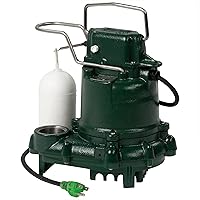
The Zoeller Old Faithful 84 gives you another pedestal option with a 1/2 HP motor. Compare its basin fit and cycle settings with your pit before choosing.


Pedestal vs submersible sump pump: what is the main difference?
The motor location is the key difference: above the pit for a pedestal pump, inside the pit for a submersible pump. That changes the space each design needs and how you reach the motor for inspection.
A pedestal pump has a motor above the basin cover and a shaft that reaches down to the pump. The float moves with rising water to switch the pump on and off.
A submersible pump sits down in the water it removes. Its float switch also needs open space to move, so check for interference from the pit wall, pipes and cables.
For a closer look at the first design, see what a pedestal sump pump is. The sump pump buying guide covers backups, valves and care alongside pump selection.
How does a pedestal sump pump work?
A pedestal pump uses a motor above the pit to drive a pump mechanism below it. As water rises, the float switch signals the pump to start; it stops when water falls to the switch's shutoff point.
Because the motor stays outside the water, it remains accessible above the cover. The tradeoff is the vertical space needed for the motor, support and float movement.
The Red Lion RL-SP33PED has an adjustable snap-action float. It starts at 8 to 10 inches and shuts off at 3 to 5 inches.
How does a submersible sump pump work?
A submersible pump places its motor and pump body inside the basin. A float switch starts and stops it as the water level changes.
The Wayne CDU790 has an integrated vertical float switch and top suction design. Wayne describes the design as helping reduce clogging from debris at the bottom of the pit.
The motor is less accessible while installed, and the pump body occupies space inside the basin. Confirm that it fits without blocking the float or other pit components.
Which pump fits your sump pit?
Choose the model only after checking the basin's minimum dimensions and room for the switch to move. A pump that fits its listed minimum can still be a poor match if pipes or other equipment crowd the float.
The Red Lion requires a basin diameter of at least 13 inches. The Wayne CDU790 is designed for an 11-inch or larger basin, while the Zoeller Old Faithful 84 can be used in containers as small as 18 by 22 inches.
These dimensions aren't interchangeable: one is a diameter, and the Zoeller figure gives two container dimensions. Measure your pit in the same way the pump's instructions specify.
When is a pedestal pump a better fit?
A pedestal pump can suit a narrow basin when the pump body and float would be crowded by a submersible model. You still need enough room above the pit for the motor and shaft.
The best pedestal sump pumps guide compares more pedestal options for narrow pits. Check each model's minimum basin dimensions before treating the design as a fit.
Keep the pump upright and make sure the float can move freely. A discharge pipe or cover that presses against the float can prevent normal switching.
When is a submersible pump a better fit?
A submersible pump can suit a basement where there's room inside the pit but limited clearance above it. Its compact body avoids the tall motor arrangement of a pedestal pump.
The Wayne CDU790 is listed for basins 11 inches or larger. Its top suction design and integrated vertical float are features to compare if the basin collects debris or has limited clearance.
If the motor's material is a deciding factor, read the cast iron vs plastic sump pump comparison. The Wayne uses a cast iron base with an epoxy-coated steel motor housing; that detail alone doesn't tell you whether it fits your pit.
Which design is easier to maintain?
A pedestal pump keeps the motor and switch easier to reach; a submersible pump may need to come out of the pit for service. Either design needs safe access and a clear view of the float and discharge line.
Before inspection, disconnect the power according to the manual. Don't put your hands into standing water around powered equipment, and don't enter a sump pit.
A pedestal pump's exposed parts are easier to see, but they can be bumped or crowded by stored items. Keep the motor and float area clear, and check that the shaft remains aligned.
A submersible pump keeps the motor inside the basin, where removing it for service can require lifting the unit and managing its cord and pipe connection. Follow the manufacturer's removal and maintenance instructions.
For either style, watch for a float that catches on the basin wall or discharge pipe. If the pump cycles oddly, our guide to how often a sump pump should run can help you compare the pattern with common causes.
Which pump handles your water flow?
Use the pump's performance information and your home's water conditions to choose capacity; the pedestal or submersible label alone doesn't tell you which moves more water. Maximum flow figures are measured at zero lift and decline as water rises through the discharge line.
The Red Lion RL-SP33PED is rated for up to 3,300 gallons per hour at zero lift. The Wayne CDU790 is described as pumping up to 4,600 gallons per hour at zero lift.
Those figures don't show the flow you'll get at your installation height. Compare the pump curve or manufacturer guidance at the lift your discharge line requires.
The Zoeller Old Faithful 84 has a 1/2 HP motor, but horsepower alone isn't a substitute for a flow figure at your system's lift. For sizing context, see how to determine sump pump size.
Do pedestal pumps last longer than submersible pumps?
Pump type alone can't tell you how long a particular unit will last. Materials, water conditions, run time, installation and maintenance all affect service life.
A pedestal motor stays above the water, while a submersible motor is designed to operate inside the pit. That difference may affect exposure and service access, but it doesn't guarantee a lifespan advantage.
Check the warranty and care instructions for the exact model. The Red Lion includes a 2-year manufacturer warranty, and Wayne provides a 3-year limited warranty for the CDU790.
Which of these pumps should you choose?
Choose the Red Lion for an average-volume pit that meets its 13-inch minimum, the Wayne for a submersible setup in an 11-inch or larger basin, or the Zoeller for a 1/2 HP pedestal option. Confirm your pit dimensions, float clearance and required lift before ordering.
The Red Lion's adjustable switch range is useful when its start and stop levels suit your basin. The Wayne's submersible layout may fit better when overhead clearance is tight.
Choose the Zoeller when its 1/2 HP rating and adjustable cycle match your needs, and the basin can accommodate the pump. Compare more options in the sump pump selection guide.
Product picks for this comparison
Each score weighs the pump's listed specs and features against the needs behind this comparison. Match the pump type and basin requirements to your installation before choosing.
Sources
- Red Lion RL-SP33PED product information
- Wayne Water Systems
- Zoeller Old Faithful 84 product information
Frequently asked questions
Is a pedestal or submersible sump pump better?
A pedestal pump suits a pit where the motor can sit above the cover and you want access to it. A submersible pump suits a pit that can hold the pump body and float.
Check basin dimensions, switch clearance and the water level where the pump starts before choosing.
Does a pedestal sump pump need more room?
A pedestal pump needs vertical room above the pit for its motor and support column. A submersible pump sits inside the basin, so it needs enough width and depth for the body and float to move freely.
Measure the full setup, including the discharge pipe.
Are submersible sump pumps quieter?
A submersible pump operates inside the pit, which can reduce the sound heard in the room, but noise varies by model and installation. Check the maker's noise information if sound is a priority, and inspect for vibration or pipe contact if the pump becomes louder.
Can a pedestal sump pump fit in a narrow pit?
Some pedestal pumps need less basin width than submersible units, but each model has a minimum basin size. The Red Lion RL-SP33PED calls for a basin at least 13 inches across, while the Zoeller Old Faithful 84 is designed for containers as small as 18 x 22 inches.
Which sump pump is easier to maintain?
A pedestal motor and switch remain above the pit, so they're accessible without lifting the pump body out of the basin. A submersible pump may need to be lifted for service.
Follow the manual, disconnect power before inspection and avoid entering a sump pit.