Sump Pump Buying Guide: Pumps, Backups, Valves and Care
Choose a sump pump for your pit, water load and power risks. Check pump type and capacity, then plan for backup power, a compatible discharge line and regular checks.
On this page (8 sections)
- How do you pick a sump pump for your basement?
- Which sump pump type fits your pit?
- How much horsepower does a sump pump need?
- Should you add a battery backup and alarm?
- What does a check valve do?
- How should you plan the discharge line?
- How can you keep a sump pump ready?
- What should you decide before buying?
A sump pump buying guide should start with your pit, water load and outage risk. Match the pump to the water it must move and the height it must lift it, then check the float, discharge pipe, backup plan and maintenance needs.
A larger horsepower number alone does not tell you which pump is right. Your pit dimensions, water inflow, discharge height and pipe layout all matter.
This guide covers how to pick a sump pump and the related parts that help a system work as intended. For more detail on horsepower and capacity, see our guide to determining sump pump size.
How do you pick a sump pump for your basement?
Choose a pump by matching its capacity and operating setup to your pit and drainage conditions. Before comparing models, note how often water enters the pit, how high the discharge line rises and whether the pump needs to fit a narrow space.
Start with the current installation if it has worked reliably. Record the pump model, discharge connection size, pit dimensions, float type and the route water takes outside.
Then consider whether anything has changed. A new finished basement, a higher water table, a longer discharge route or more frequent cycling can change what the system needs.
| Check | What to confirm |
|---|---|
| Water load | How quickly water enters during wet periods |
| Lift height | Vertical distance from pump to discharge point |
| Pit fit | Pump dimensions, float travel and room for a backup |
| Discharge line | Pipe diameter, route, outlet and valve compatibility |
| Power | Outlet access and risk of power interruptions |
| Maintenance | Access to the pump, float, alarm and battery |
The pump's advertised flow rate can help compare options, but flow changes with lift height and plumbing. Use the manufacturer's pump curve for the expected installation rather than treating a single maximum flow figure as the rate you will get in your basement.
Our sump pump sizing guide explains how to think through water load and lift. If you're deciding between common residential sizes, compare 1/3 HP and 1/2 HP sump pumps.
Which sump pump type fits your pit?
A submersible pump sits in the pit, while a pedestal pump keeps its motor above it. Pit shape, water level and service access help decide which type is a better fit.
Submersible pumps are often chosen when the pump needs to sit below the pit rim. The motor and pump share a compact unit, but the whole assembly occupies space inside the basin.
A pedestal model has a motor above the pit and a long shaft down to the pump. This arrangement can suit a narrow pit, though the motor needs room above the basin.
Compare the two styles in our pedestal versus submersible sump pump guide. For a narrow basin, see our pedestal sump pump overview.
Also check the float switch. A tethered float needs room to move through an arc, while a vertical float travels up and down; obstructions can interfere with either style.
Our float switch comparison covers the trade-offs.
How much horsepower does a sump pump need?
Horsepower is one clue about a pump's capability, not a complete sizing answer. Compare rated flow at the lift height you need, along with the pump's fit and switch arrangement.
A 1/3 HP pump can be a reasonable starting point for an average basement with a suitable pit and modest water load. The Zoeller M53 has a float activated automatic switch, a non-clogging vortex impeller design and cast iron switch case, motor and pump housing.
A 1/2 HP pump may be a better match where the drainage demand is higher, provided the pump curve and plumbing suit the installation. The Wayne CDU800 is a 1/2 HP submersible pump with a vertical float switch, cast iron and corrosion-resistant steel construction, and a top suction design.
These examples are not interchangeable solely because of horsepower. Compare the pump curve, switch travel, dimensions, discharge connection and installation instructions before choosing.
For a closer look at what separates the two sizes, read 1/3 or 1/2 HP sump pump: which size do you need?.
Should you add a battery backup and alarm?
A battery backup can keep a separate pump available during a power outage, while an alarm can alert you to rising water or a system problem. Consider both if water could enter the basement while you are away or the primary pump loses power.
A backup is a system, not just a battery. Check the required battery type, charging needs, controller placement, pump capacity and maintenance schedule.
The Basement Watchdog Special CONNECT includes a controller, charger, dual float switch, pump and battery box; the battery is sold separately. Its control panel gives maintenance prompts, and a sensor monitors battery fluid levels.
An alarm adds another layer of awareness, but it cannot remove water or restore power. Choose one that fits your monitoring needs and place its sensor where it can detect a rising water level.
Read our battery backup sump pump guide to compare system types, and see sump pump alarms for early warning. For the battery itself, use our guide to choosing a battery for sump pump backup.
What does a check valve do?
A check valve helps limit water in the discharge pipe from flowing back into the pit when the pump stops. Choose one with connections that match your pipe, and install it in the position specified by its instructions.
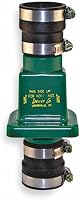
The Zoeller 30-0181 is a 1-1/2 in PVC check valve with slip connections. Its flapper bends over a radius, and it is designed for vertical or horizontal installation and to reduce water hammer.
Valve size and connection type must match the discharge piping. Leave it accessible so you can inspect or replace it without cutting away surrounding finishes.
See our guide to sump pump check valve location and the separate check valve buying guide.
How should you plan the discharge line?
A pump only helps if it can move water through a clear, compatible discharge route. Check pipe diameter, fittings, valve placement and the point where water leaves the home.
Follow the pump manual and local requirements for the discharge line. Avoid routing water where it can flow back toward the foundation, freeze in a vulnerable section or create a hazard on a walkway.
The discharge pipe and check valve must suit each other. Confirm the valve's connection type and size before assembly, and support the pipe so its weight does not strain the pump outlet.
If the outlet is blocked or the line is damaged, the pump may run without clearing the pit as expected. Include a visual check of the discharge point in your routine upkeep.
How can you keep a sump pump ready?
Regular checks help you spot a stuck float, blocked discharge or power issue before heavy water flow arrives. Follow the pump manual and test the backup system on its own schedule.
Keep the pit clear of debris that could obstruct the float or inlet. Make sure the float can move freely through its full travel, and listen for unusual cycling or noise.
Test the pump using the method in its manual. Confirm that water leaves the discharge point, then check that the pump stops when the water level falls.
Inspect the alarm, outlet and power cord, and keep the area around the pump accessible. If your system has a backup battery, check its condition and fluid level as instructed by the manufacturer.
Our sump pump testing guide outlines a pre-storm check. For expected lifespan and routine operation, see how long sump pumps last and how often a sump pump should run.
What should you decide before buying?
The best choice is the one that fits your pit, matches the drainage demand and has a workable backup and maintenance plan. Confirm those details before comparing features or selecting horsepower.
Start with the pump type and capacity, then verify float clearance, lift height and pipe fit. Add a battery backup if outages pose a real risk, and use an alarm if you need warning before water reaches the floor.
For a narrower shortlist, browse our sump pump picks. If you are replacing a pump, keep its model and installation details handy while checking the new pump's requirements.
Frequently asked questions
How do I choose the right sump pump?
Choose a sump pump by matching its capacity to your water load and discharge height, then confirm that its dimensions, switch and outlet fit your pit and setup. If you are replacing a pump, use its model and installation details as a starting point, but account for changes in water conditions or discharge plumbing.
Is a 1/3 HP or 1/2 HP sump pump better?
Neither horsepower is automatically better; the right size depends on how much water enters the pit and how high the pump must lift it. A 1/3 HP unit may suit an average basement, while a 1/2 HP option can fit heavier drainage needs.
Compare pump curves and installation limits.
Do I need a battery backup sump pump?
A battery backup can help keep water moving during a power outage, but its runtime depends on the battery, pump demand and how often the system cycles. Check battery compatibility and maintenance needs, and consider a high-water alarm so you know when the primary system needs attention.
Where should a sump pump check valve go?
A check valve usually belongs in the discharge line above the pump, positioned as its manufacturer directs and accessible for service. It helps limit water in the pipe from flowing back into the pit after shutdown.
Confirm the valve size and connection type match your discharge plumbing.
How often should I check my sump pump?
Check the pump and alarm periodically, especially before seasons when heavy rain or snowmelt is likely. Follow the manual for safe testing, look for a clear discharge path, and confirm that the float moves freely.
Test a backup and inspect its battery according to the maker's instructions.