How to Determine Sump Pump Size for Your Basement
Determine sump pump size by matching water inflow and vertical lift to the pump’s flow curve, then confirm the pump fits your pit and discharge line. Horsepower is a rough comparison, not a complete sizing method.
On this page (8 sections)
- How do you determine sump pump size?
- How can you estimate water inflow?
- How does lift change sump pump capacity?
- Does horsepower determine the right pump size?
- Which sump pump examples fit different sizing needs?
- How do you check the pit and discharge line?
- What should you do if the sizing is uncertain?
- How to determine sump pump size for your basement
Determine sump pump size by matching water inflow and vertical lift to the pump’s flow curve, then checking that the model fits your pit and discharge line. Horsepower gives you a rough comparison, but it does not tell you how much water a pump moves at your actual lift.
Start with how quickly water enters the pit during wet weather. Then measure the height from the pump to the point where water leaves the discharge line.
If you’re choosing among horsepower ratings, our sump pump selection guide explains other features to compare.
How do you determine sump pump size?
Choose a pump that can move water out faster than it enters the pit at your actual vertical lift. Use the manufacturer’s performance curve to compare flow at that lift, rather than relying on the maximum flow number alone.
A useful sizing check has 4 parts:
- Inflow: How quickly does water enter the pit during a wet period?
- Lift: How high must the pump raise water to reach the outlet?
- Discharge: Can the pipe carry the pump’s flow without restrictions?
- Fit: Does the pump and float switch fit the pit and operate freely?
The pump should have enough capacity to keep up with the inflow and reduce the water level between cycles. If you do not know the inflow, observe the pit during rain and note how quickly the water rises and falls while the existing pump runs.
A sump pump may be described by horsepower and maximum gallons per hour, or GPH. Those figures help narrow the options, but flow changes with lift, so confirm performance at the height the water must travel.
How can you estimate water inflow?
Estimate inflow by watching how quickly water enters the pit during the conditions you need the pump to handle. A single observation during dry weather may not reflect the demand during heavy rain or snowmelt.
If the pump is working, observe the water level before and after a cycle. Note the time it takes to rise between switch points and how long the pump takes to lower it.
Repeat during wet conditions if it is safe to do so.
Do not disable the pump or let the pit overflow to measure inflow. If you cannot observe it safely, ask a qualified plumber to assess the drainage and pump setup.
What does the water level tell you about sump pump size?
The time it takes for water to rise between switch points helps you judge how quickly the pit refills. A short refill time during wet weather can mean higher inflow, which may call for greater pump capacity.
The pit’s usable volume matters to this estimate. A narrow basin holds less water per inch of rise than a wide one, so the same water-level change can represent a different volume.
For more context on the basin itself, see our guide to how deep a sump pit should be. Measure the pit and check how much room the pump and switch need to move freely.
How does lift change sump pump capacity?
Lift is the vertical distance from the pump’s water outlet to where the discharge line releases water. As lift increases, flow usually decreases, so compare the pump’s capacity at your measured lift.
Measure vertically from the pump location to the discharge outlet, including any height the line must reach before it exits the foundation. A long horizontal pipe run and elbows can also add resistance, so follow the manufacturer’s guidance for your discharge setup.
A pump’s maximum flow is often measured with little or no lift. That number is not a reliable estimate of the flow you’ll get in a basement installation.
Find the performance curve or capacity table for the model, and compare the expected flow at your lift.
If the manufacturer does not provide flow information for your installation conditions, contact the manufacturer or a plumber before choosing based on horsepower alone.
Does horsepower determine the right pump size?
Horsepower alone does not determine whether a sump pump fits your basement. It indicates motor power, while the flow curve shows how much water the pump can move at a given lift.
A larger horsepower rating may be useful when inflow or lift is higher, but the pump still needs a suitable pit, switch range and discharge line. Compare the model’s capacity at your lift, then confirm installation requirements.
For more options at each common rating, compare our best 1/3 HP sump pumps and best 1/2 HP sump pumps guides. If you’re deciding between those ratings, our 1/3 or 1/2 HP sump pump comparison walks through the trade-offs.
Which sump pump examples fit different sizing needs?
These 4 pumps offer a range of horsepower and stated maximum flow. Use them as starting points, then confirm their flow at your lift and check each model’s pit and installation requirements.
The Wayne CDU790 is a submersible pump with a vertical float switch. Wayne describes it for indoor use and sump basins 11 inches or larger.
The Wayne CDU800 has a vertical float switch and a top suction design. Confirm the basin size and flow at your lift before choosing it for higher inflow.
The Wayne CDU980E has an integrated vertical float switch and is designed for sump pits 11 inches or larger. Its stated maximum flow does not replace checking the performance curve.
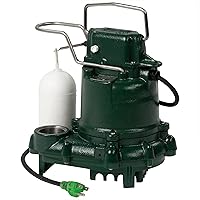
The Zoeller M98 has a snap action float switch and cast iron housing. Check its dimensions and switch clearance against your basin before installation.
How do you check the pit and discharge line?
Check the pump’s dimensions, float movement and discharge connection against your existing setup. A pump that meets the capacity need can still be a poor fit if the switch catches the basin or the discharge line restricts flow.
Measure the pit’s width and depth, then compare them with the pump dimensions and required clearances. Make sure the float can rise and fall without touching the pit wall, power cord or discharge pipe.
Check the discharge pipe diameter and route against the pump’s installation instructions. A smaller or obstructed pipe can limit flow, while bends and long runs may add resistance.
The check valve also affects how water leaves the system after each cycle. See our guide to sump pump check valve location for help checking where it belongs in the discharge line.
What should you do if the sizing is uncertain?
If you cannot estimate inflow or find flow at your lift, ask a plumber or the pump manufacturer to help size the system. This is especially useful if the current pump runs often, cannot keep up during rain or leaves standing water in the pit.
Write down the pit dimensions, pump model, discharge pipe size, outlet height and what you observe during wet weather. Those details make it easier to assess whether you need more capacity, a different setup or a repair.
If a pump runs every few minutes, sizing may not be the only issue. Our guide to how often a sump pump should run covers common cycling patterns and checks.
How to determine sump pump size for your basement
Choose a sump pump that can exceed your observed inflow at the lift your discharge line requires, and confirm the pump fits the pit. If the flow curve or inflow is unclear, get help sizing the system before replacing the pump.
Use horsepower to narrow your options, then check capacity, pit fit and discharge requirements. For a broader look at pump types and features, start with the sump pump buying guide.
Frequently asked questions
Is a 1/3 HP sump pump enough for a basement?
A 1/3 HP sump pump can suit a basement with modest inflow and a manageable lift, if its flow at that lift keeps up with water entering the pit. Check the pump’s performance curve and pit fit before choosing by horsepower alone.
Does a deeper basement need a bigger sump pump?
A greater vertical lift can reduce a pump’s flow, so a deeper pit or higher discharge point may call for a pump that delivers enough water at that lift. Measure from the pump to the discharge outlet and use the manufacturer’s performance curve.
How do I estimate sump pump capacity?
Estimate how quickly water enters the pit during a typical wet period, then compare that rate with the pump’s rated flow at your actual lift. Rated flow at zero lift can be much higher than flow after the pump raises water through the discharge line.
Can I replace a 1/3 HP sump pump with a 1/2 HP model?
You can consider a 1/2 HP model if the extra capacity suits your inflow and lift, and the pump fits the basin and discharge setup. Check float clearance, outlet size and the manufacturer’s installation instructions before replacing the existing pump.
What happens if a sump pump is too large?
A pump with much more capacity than the pit and inflow need can cycle frequently if the float settings and basin volume do not suit it. Check the pump’s recommended basin size, switch range and expected operating conditions before sizing up.