Sump Pump vs Sewage Ejector Pump: Which Is Better? (October 2026)
Use a sump pump for groundwater and a sewage ejector pump for wastewater that can contain solids. The sump pump vs sewage ejector pump choice depends on what enters the pit and where the discharge goes.
On this page (8 sections)
- Sump pump vs sewage ejector pump: what is the main difference?
- How can you tell which pump your basement needs?
- Can a sump pump pass solids like a sewage pump?
- Do both pump types use float switches?
- What should you check before replacing a pump?
- What if a basement pit smells like sewer?
- Which pump is better for a basement bathroom?
- Which pump should you choose?
Use a sump pump for groundwater and a sewage ejector pump for wastewater that can contain solids. The sump pump vs sewage ejector pump decision starts with what flows into the basin, not the pump's horsepower.
A sump pump removes water collected in a foundation drainage pit. A sewage ejector pump moves wastewater from plumbing fixtures below the sewer line, often through a basin.
The pumps may both sit underwater and use float switches, but they do different jobs. Choosing the wrong type can lead to clogs, poor drainage or a system that does not suit its waste stream.
Sump pump vs sewage ejector pump: what is the main difference?
A sump pump handles groundwater; a sewage ejector pump handles wastewater and may pass solids. Identify every pipe that enters the pit before choosing either pump.
Groundwater can seep through soil or enter through foundation drainage. The sump pump activates as water rises, then sends it through a discharge line away from the home.
A sewage basin receives wastewater from below-grade fixtures, such as a basement bathroom. An ejector pump lifts that waste to a sewer or septic line that sits above the fixtures.
The pump label alone isn't enough to identify your setup. Check where the basin's inlet pipes come from and where its discharge connects.
What does a sump pump move?
A sump pump moves water that collects in a sump pit, usually groundwater entering around the foundation. It is not the right choice for toilet waste or other sewage.
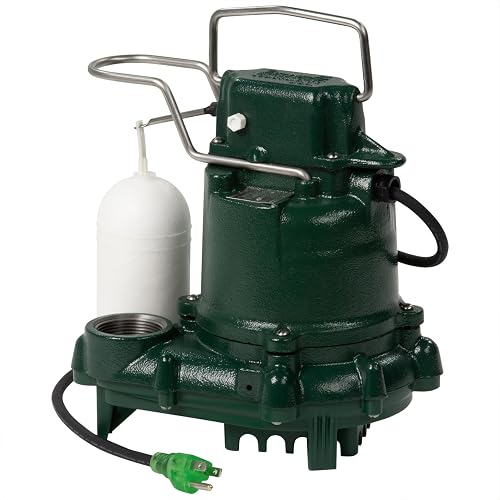
The [Zoeller M53 Mighty-Mate 1/3 HP Sump Pump] is an automatic submersible model with a float-activated switch and vortex impeller. Its product description identifies it for basement sump applications.
For a broader look at its operation, see how a sump pump works. If your main question is whether the pump is sized for the basement, use the sump pump sizing guide.
What does a sewage ejector pump move?
A sewage ejector pump moves wastewater from a basin connected to below-grade plumbing. Models may be designed to pass solids, but the allowable size depends on the pump.
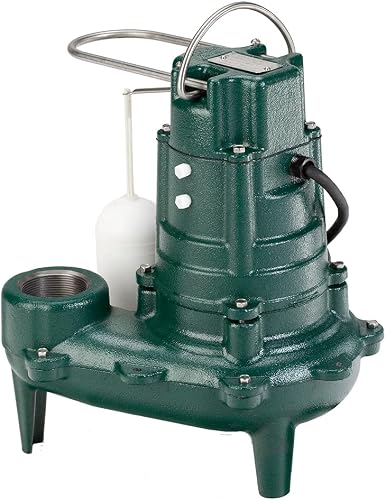
The [Zoeller Waste-Mate 267 Sewage Pump] is a submersible 1/2 HP pump for sewage, effluent or dewatering. It passes 2 in spherical solids and has an integral float switch.
The [Wayne RPP50 1/2 HP Cast Iron Sewage Pump] also handles sewage and up to 2 in solids. Its piggyback tether float switch supports automatic or manual operation.
How can you tell which pump your basement needs?
Trace the incoming pipes and identify the fixtures they serve. A basin that receives foundation drainage points to a sump pump, while one receiving toilet or sink waste calls for a sewage ejector pump.
Look for the basin's location and connections, but don't rely on appearance alone. Covered pits can conceal pipe routes, and an old pump may have been replaced without resolving an earlier mismatch.
A basement bathroom or laundry fixture below the home's main drain often needs a sewage basin and ejector pump. A pit receiving perimeter drain tile or groundwater needs a sump pump.
If you're unsure, ask a plumber to inspect the basin, piping and discharge destination. Don't open a sealed sewage basin or disconnect pipes without understanding the system.
Can a sump pump pass solids like a sewage pump?
Don't assume a sump pump can handle sewage solids. A vortex impeller or a general description of clog resistance does not make a pump suitable for sewage service.
The M53 has a non-clogging vortex impeller design, but it is a sump pump for basement sump applications. The Waste-Mate 267 and RPP50 are sewage pumps with stated capacities for solids up to 2 in.
That distinction matters because waste can include material that groundwater does not. Use the pump type and solids capacity specified for the basin.
If the current pump clogs or fails often, look for the cause before buying a stronger unit. A clogged sewage line, an unsuitable pump or a basin issue can each lead to repeated trouble.
Do both pump types use float switches?
Both types can switch on automatically as liquid rises, but their float arrangements vary by model. Check the available basin space and the switch's movement before selecting a replacement.
The Zoeller M53 uses a float-activated automatic switch. The Waste-Mate 267 has an integral float switch, while the Wayne RPP50 uses a piggyback tether float switch.
A tether float needs room to swing through its on and off range. A tight basin may limit movement, so compare the pump's shape and switch travel with the existing setup.
For a sump pump, our guide to vertical versus tethered float switches explains how those switch styles differ. Don't use that comparison to assume a sewage basin has the same clearance or installation needs.
What should you check before replacing a pump?
Match the replacement to the basin, waste stream, discharge and electrical setup. Horsepower alone doesn't confirm that a pump will fit or work correctly.
Measure the basin and note the discharge connection, float clearance and available outlet. Then compare those details with the pump requirements and installation instructions.
A sewage pump's solids capacity is especially important when replacing an ejector pump. The Waste-Mate 267 passes 2 in spherical solids, and the RPP50 handles up to 2 in solids, but your pipes and basin still need to suit the model.
For a groundwater system, consider the pit dimensions and water inflow. The guide to sump pit depth and size can help you understand the basin side of that decision.
What if a basement pit smells like sewer?
A sewer smell near a pit deserves investigation, especially if you believe it only collects groundwater. The odor may point to a drain, vent, trap or wastewater connection that needs attention.
Don't mask the smell or assume a larger sump pump will solve it. Identify which pipes enter the pit and whether a fixture discharges there.
The guide to why a sump pump pit may smell like sewer covers common causes and next steps. If you suspect sewage is entering an unsealed sump pit, contact a plumber.
Which pump is better for a basement bathroom?
A sewage ejector pump is the right category when a below-grade bathroom drains into a basin. A sump pump is for groundwater, not toilet or sink waste.
The Zoeller Waste-Mate 267 is designed for sewage, effluent or dewatering and passes 2 in spherical solids. The Wayne RPP50 handles up to 2 in solids and is designed for sewage basins at least 18 in in diameter.
A complete bathroom system also depends on the basin, venting, discharge route and local plumbing rules. Have those parts checked together before installing or replacing a pump.
For a basement that floods independently of the bathroom, keep the groundwater system separate. A sewage ejector pump does not replace a sump pump for foundation drainage.
Which pump should you choose?
Pick a sump pump for groundwater and a sewage ejector pump for wastewater from below-grade fixtures. The sump pump vs sewage ejector pump choice follows the basin's actual job.
Choose the Zoeller M53 when you need an automatic sump pump for a groundwater pit. Choose a sewage model when the basin receives wastewater and its capacity matches the solids and installation.
If you need help comparing other pump jobs, read sump pump vs utility pump. Identify the basin and its connections before you buy, and ask a plumber to confirm a system that handles sewage.
Frequently asked questions
Can a sump pump pump sewage?
A standard sump pump is intended for groundwater in a sump pit, while a sewage ejector pump is designed for wastewater and may pass solids. Use a pump rated for the material entering the basin.
If wastewater or toilet discharge is involved, have a qualified plumber confirm the system and local requirements.
What is the difference between a sump pit and a sewage basin?
A sump pit collects groundwater that enters around a foundation, while a sewage basin collects wastewater from below-grade plumbing fixtures. Their covers, connections and pump requirements differ.
Confirm the basin and piping layout before replacing a pump, since a unit that fits one system may not suit the other.
Does a sewage ejector pump handle solids?
Many sewage ejector pumps are built to pass solids, but the permitted size varies by model. For example, the Zoeller Waste-Mate 267 passes 2 in spherical solids, and the Wayne RPP50 handles up to 2 in solids.
Check the exact pump's capacity against the basin and waste stream.
Can you replace a sewage ejector pump with a sump pump?
Don't substitute a sump pump for a sewage ejector pump unless a qualified professional confirms the system is suitable. Sewage pumps are selected for wastewater service and solids handling, while a sump pump is used for groundwater.
A mismatch can cause clogs, poor operation or sanitation problems.
Which pump should you choose for a basement that floods?
Choose a sump pump when the pit collects groundwater or drainage water, and choose a sewage ejector pump when the basin receives wastewater from below-grade fixtures. If the pit's purpose is unclear, trace what drains into it before buying.
A plumber can identify a mixed or unusual setup.