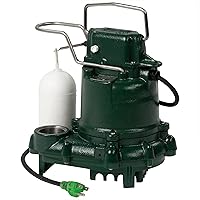
How to Test a Sump Pump Before the Next Storm
To test a sump pump, pour water into the pit until the float switch starts the pump, then confirm the water drains and the pump stops. Check the alarm and battery backup separately, following their manuals.
On this page (7 sections)
- How do you test a sump pump with water?
- How can you tell if the float switch is working?
- How do you check the discharge line and check valve?
- How do you test a sump pump alarm?
- How do you test a battery backup sump pump?
- What should you do if the pump fails the test?
- When should you test your sump pump again?
To test a sump pump, pour water into the pit until the float switch starts the pump, then make sure the water level falls and the pump stops. Check the discharge, alarm, and battery backup separately, using the instructions for each device.
Test before the rainy season and again before a forecast storm if you have time. A short check can uncover a stuck float, tripped breaker, clogged discharge line, or backup issue while you can still address it.
How do you test a sump pump with water?
Add water slowly until the float switch activates the pump. The pump should start, lower the water, and stop after the float drops.
- Read the pump manual for its test procedure and safety notes.
- Check that the pit is clear of loose debris and the float can move freely.
- Make sure the pump is plugged into its usual outlet and the breaker is on.
- Pour water into the pit gradually, keeping it away from cords and outlets.
- Watch the float rise and the pump start.
- Confirm water drains through the discharge line and the pump stops as the level falls.
Don't use a garden hose if it could spill onto electrical equipment or overwhelm the pit. Stop adding water once the pump starts; the goal is to trigger a normal cycle, not fill the basement.
The sump pump buying guide explains how pumps, backups, valves, and care fit together. If you need a refresher on what the pump is doing, read how a sump pump works.
What should you listen and look for during a test?
Listen for a steady start and stop, and look for water leaving through the discharge. A humming motor without water movement, repeated cycling, or a float that catches on the pit wall needs attention.
Check the outlet where the discharge line releases water, if it is safe and accessible. Make sure the line isn't visibly blocked, kinked, or directed back toward the foundation.
A test doesn't prove the pump will handle every storm. It only shows that the unit starts and moves water under the conditions of that check.
How can you tell if the float switch is working?
The float should rise with the water and activate the pump without catching. If the pump doesn't start, first check whether the float can move freely and whether the pump has power.
Don't force a float arm or lift a switch by pulling on its cable. Some pumps have tethered floats, while others use a vertical float; the safe test can differ by design.
For a closer look at those designs, see tethered versus vertical float switches. If the pump runs too often between tests, compare its pattern with how often a sump pump should run.
How do you check the discharge line and check valve?
Confirm that water flows out of the discharge line and doesn't return to the pit in a way that causes another quick cycle. Keep the outlet clear and direct it away from the foundation, in line with local requirements and the installation instructions.
The check valve helps limit water in the discharge pipe from flowing back into the pit after the pump stops. Look for leaks around the valve and listen for a hard bang at shutdown, but don't dismantle plumbing while the pit is filling.
Use where a sump pump check valve goes to review its placement. A worn or leaking valve may need replacement; our guide to sump pump check valves covers what to compare.
How do you test a sump pump alarm?
Test the alarm using its button or the maker's specified procedure. If it uses a float, raise the water level only as its manual permits, then confirm the warning light or sound activates.
Keep the alarm's float clear of the pump's own float so one doesn't interfere with the other. An alarm warns of high water; it doesn't pump water out.
The Liberty Pumps ALM-2-1 uses a float switch and plugs into a 115V outlet, with a 9V battery backup and low-battery chirp.
The Briidea alarm has a 10 ft float switch, a 110 dB alarm, and a large LED indicator. Its maker describes the enclosure as weatherproof for indoor or outdoor use.
Choose an alarm whose float can sit at a useful warning level without touching the pump or pit wall. Compare more options in our sump pump alarm guide.
How do you test a battery backup sump pump?
Use the backup system's own test procedure to confirm it can start and alert you. Systems vary, so follow the manual rather than unplugging components or disconnecting wires at random.
Check for a charged battery, secure connections, and any low-battery or fault warning. If the backup has a test button, note whether the pump activates and whether the alarm behaves as expected.
For a setup that needs a separate battery, see what size battery a sump pump backup needs. Our battery backup sump pump guide compares backup options, and is a battery backup sump pump worth it? helps weigh the case for one.
Can a monitor help you check whether the pump is working?
A monitor can add alerts, but it doesn't replace a water test. PumpFuse tracks power and can send alerts for issues such as power loss, dry runs, overloads, and short or long cycles, according to its feature description.
PumpFuse connects to WiFi and uses an app; it does not need access to the sump pit for setup. Use it as an extra way to notice changes, while keeping the pump's manual test on your maintenance schedule.
What should you do if the pump fails the test?
If it doesn't start, check power and float movement first, then consult the manual or a qualified repair professional. Don't reach into standing water near electrical equipment or open the pump housing while it is connected to power.
If the motor runs but water doesn't leave, stop the test and check for an obvious discharge obstruction from a safe location. A repeated breaker trip, burning smell, damaged cord, or unusual grinding sound calls for professional help.
A replacement may make sense for an old pump with recurring problems, but age alone doesn't confirm failure. See how long sump pumps last for factors that affect the decision.
The Wayne CDU790 is a 1/3 HP submersible pump with an integrated vertical float switch. Wayne says its top suction design helps reduce air lock and debris clogging.
Check the pit size and installation requirements before choosing a replacement. The sump pump picks guide can help compare pump types and sizes.
When should you test your sump pump again?
Test again every few months, before the wet season, and after a repair or power interruption. Follow any shorter interval in the pump or backup system manual.
Make a simple note of whether the pump started, drained the pit, and stopped, along with any unusual noise or alarm warning. That gives you a point of comparison if the next cycle changes.
When a storm is approaching, test early enough to address a problem safely. If the pump passes, keep the pit and discharge outlet clear so water has a path out.
Frequently asked questions
How do you test a sump pump?
Pour water slowly into the sump pit until the float switch rises and the pump starts. Watch the water level fall, listen for unusual sounds, and check that the pump stops when the float drops.
Keep water away from electrical connections, and follow the pump manual if it gives a different test method.
How often should you test a sump pump?
Test the pump every few months and before the wet season or a major storm, while following the manufacturer's maintenance schedule. Check it after power interruptions or repairs, too.
A quick test helps reveal a stuck float, blocked discharge, or power issue before heavy rain raises the water level.
Can you test a sump pump by unplugging it?
Unplugging the pump only checks what happens when power is removed; it doesn't confirm normal pumping. To check operation, restore power and use the water test described in the manual.
If you have a battery backup, test that system according to its instructions, since its switching method varies.
How do you test a sump pump battery backup?
Follow the backup system's manual for its test button or simulated power-loss procedure. Confirm the backup starts as intended, check its alarm, and note any low-battery warning.
Don't disconnect wiring or improvise a test, and check the battery's charge and age as the manufacturer directs.