Cast Iron vs Plastic Sump Pump: Which Is Better? (October 2026)
Choose cast iron for heavier construction and a longer stated warranty, or thermoplastic for lower weight and slightly higher stated flow. Match either pump to your pit, discharge setup and expected water load.
On this page (6 sections)
Choose cast iron for heavier construction and a longer stated warranty, or thermoplastic for easier lifting and slightly higher stated flow. In a cast iron vs plastic sump pump comparison, the right choice depends on how you weigh construction, handling, flow and warranty.
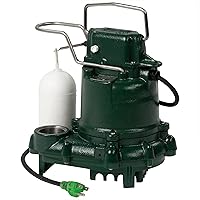
“Plastic” sump pumps in this comparison use thermoplastic. The Superior Pump 92341 has a cast iron body and weighs 17 pounds; the thermoplastic Superior Pump 92372 weighs 8.7 pounds.
Both Superior pumps are 1/3 HP models with vertical float switches and 1-1/2-inch NPT discharges. Their stated maximum flows are close, so a difference of 120 gallons per hour should not outweigh whether the pump fits your pit and discharge setup.
 Best for heavier construction
Superior Pump 92341 1/3 HP Cast Iron Sump Pump
 Best for lighter handling
Superior Pump 92372 1/3 HP Thermoplastic Sump Pump
Cast iron vs plastic sump pump: what is the main difference?
Cast iron favors a heavier construction and, in these examples, a longer warranty; thermoplastic favors lower weight. Those traits can guide your shortlist, but they don't predict service life by themselves.
The Superior Pump 92341 is cast iron, weighs 17 pounds and has a 3-year limited warranty. The 92372 is thermoplastic, weighs 8.7 pounds and has a 1-year limited warranty.
The warranty difference is specific to these models. It doesn't prove how long either pump will run in your basement, since water, debris, cycling and installation all affect the conditions it faces.
What does thermoplastic mean for a sump pump?
Thermoplastic is a plastic material used for the pump body. In the Superior Pump 92372, it is paired with a vertical float switch, a 1-1/2-inch NPT discharge and a stated flow of up to 2,880 GPH.
The Wayne SPF33 uses both coated steel and thermoplastic, so it isn't a direct example of an all-thermoplastic body. Its maker describes the construction as corrosion resistant, and the pump is intended for indoor use.
Is cast iron automatically more durable?
No material label guarantees a pump's lifespan. The cast iron 92341 weighs more and carries a longer stated limited warranty than the two thermoplastic options here, but actual service depends on operating conditions and care.
If you're comparing an existing pump with a replacement, read the model and warranty terms carefully. Our guide to how long sump pumps last explains what can affect the replacement timeline.
Which material is easier to handle in a sump pit?
The lighter thermoplastic 92372 is easier to lift by weight, while the cast iron 92341 may be harder to maneuver. Measure the opening and available space before deciding which pump you can service comfortably.
The 92372 weighs 8.7 pounds. The 92341 weighs 17 pounds, which is nearly twice as much.
Weight is only part of handling. The 92372 measures 8 by 11 by 14 inches, while the 92341 measures 7.75 by 7.25 by 11.5 inches; compare those dimensions with the pit opening and nearby piping.
If you need to remove the pump for inspection, think about how you can lift it without pulling on the cord or discharge pipe. Follow the installation and service instructions for the exact model.
Which one has the higher stated flow?
The Wayne SPF33 has the highest listed maximum flow at 0 feet of lift, while the Superior 92372 has a slightly higher stated maximum than the cast iron 92341. Compare the figures at the lift your discharge actually requires.
The Superior 92341 is rated up to 2,760 GPH, and the 92372 up to 2,880 GPH. The Wayne SPF33 gives two reference points: up to 3,750 GPH at 0 feet and 2,718 GPH at 10 feet.
Zero feet means no vertical lift. Since a sump pump has to push water upward and out of the basin, the 0-foot figure isn't a like-for-like measure of flow at your installation height.
The Wayne's 10-foot figure gives a more useful comparison point when your system has that much vertical lift. Your pipe route, fittings and discharge arrangement also matter, so use the manufacturer's performance information and installation guidance for your setup.
A higher flow figure doesn't make a pump the right size for every basement. If you're choosing between motor sizes, see our guide to 1/3 HP versus 1/2 HP sump pumps.
What should you compare besides the pump material?
Check pump fit, float clearance, discharge size and lift before choosing by body material. A pump that can't sit or cycle properly in the pit won't be a good match, whatever it is made from.
All 3 models here use a vertical float switch. Make sure the float has room to rise and fall without catching on the basin wall, cord or nearby equipment.
The two Superior pumps have 1-1/2-inch NPT discharges. Check the discharge pipe connection and follow the instructions for any adapters or fittings.
Pit size also affects setup and cycling. Our guide to sump pump pit depth can help you assess the space where the pump sits.
Which pump fits each buyer?
Choose the 92341 if cast iron and its longer stated warranty are your priorities; choose the 92372 if lower weight and slightly higher stated flow matter more. Consider the Wayne SPF33 if its flow figures and mixed construction better fit your requirements.
Our sump pump buying guide covers pump capacity, backups, valves and care. For more options built around cast iron, see cast iron sump pump picks.
Cast iron or thermoplastic sump pump: which should you choose?
Choose cast iron when the 92341's construction and 3-year limited warranty fit your priorities; choose thermoplastic when lighter handling suits your needs. Compare flow at the lift in your discharge setup, then confirm the pump fits your pit.
For a heavier cast iron option, see our best cast iron sump pumps. If lifting ease matters most, compare the thermoplastic 92372's weight and specifications with the Wayne SPF33's figures for your installation.
Frequently asked questions
Is cast iron better than plastic for a sump pump?
Cast iron is a better fit if you value a heavier body and the longer stated warranty on the Superior Pump 92341. Thermoplastic can suit you if easier lifting matters; the Superior Pump 92372 weighs 8.7 pounds compared with 17 pounds for the 92341.
Pit conditions and pump fit matter too.
Does a thermoplastic sump pump move more water?
Not always. The Superior Pump 92372 lists up to 2,880 gallons per hour, slightly above the cast iron 92341's 2,760 GPH.
The Wayne SPF33 gives figures at different lift heights: up to 3,750 GPH at 0 feet and 2,718 GPH at 10 feet.
Compare flow at your system's lift.
Which sump pump is easier to lift?
The thermoplastic Superior Pump 92372 is lighter at 8.7 pounds, while the cast iron 92341 weighs 17 pounds. That can matter when you remove a pump for service or replacement.
Check the pit opening and the pump's dimensions before choosing, since weight is only one part of handling.
Does cast iron last longer in a sump pump?
Material alone doesn't tell you how long a pump will last. The Superior Pump 92341 has a 3-year limited warranty, compared with 1 year for the thermoplastic 92372 and Wayne SPF33.
Follow the manual's care instructions and address cycling, clogs or float problems promptly.
Can a sump pump handle a high water table?
A pump's horsepower and material don't tell you by themselves whether it can keep up with a high water table. Compare flow at the lift your discharge requires, then consider how often the pump runs and whether a backup is needed.
Our guide to heavy duty sump pumps covers higher-demand options.