How Long Do Sump Pumps Last?
Most sump pumps generally last about 7 to 10 years, though use, water conditions, installation, and maintenance can shorten or extend that span. Check the pump regularly and replace it when wear or repeated problems make operation unreliable.
On this page (7 sections)
- How long do sump pumps last on average?
- What shortens a sump pump's lifespan?
- Which warning signs mean a pump may be near the end?
- Can maintenance help a sump pump last longer?
- Does a backup pump last as long as the main pump?
- When should you replace a sump pump?
- How can you reduce the risk of a sudden failure?
Most sump pumps generally last about 7 to 10 years, but frequent cycling, debris, poor drainage, and missed maintenance can shorten their useful life. Check the pump regularly, especially before a wet season, and plan a replacement when it shows repeated signs of wear.
A pump that still turns on may not move water reliably. Its float, discharge line, check valve, and backup power all affect whether it can protect a basement during a storm.
How long do sump pumps last on average?
A typical sump pump lasts about 7 to 10 years. That's a general range, not a guaranteed replacement date, because some pumps run far more often than others.
A pump in a low water table may run only now and then. A pump that handles frequent groundwater or heavy rain can accumulate more operating hours and switch cycles.
The pump's age is only one clue. A well maintained pump can still fail early, while an older unit may continue working; regular checks help you make a decision based on its condition.
What shortens a sump pump's lifespan?
Frequent operation, debris, and a restricted discharge line can add stress to a sump pump. The conditions around the pump matter as much as the number of years since installation.
A float that catches on the pit wall may fail to switch the pump on or off at the right time. Silt and small debris can also interfere with the intake or impeller, so keep the pit clear of material the pump could draw in.
A pump that starts every few minutes may be responding to a high rate of water entry, a small pit, or a setup problem. See how often a sump pump should run to compare its cycle pattern with the likely cause.
The Zoeller M53 is a 1/3 HP submersible pump with a cast iron switch case, motor, and pump housing, plus a plastic base. Choose a replacement based on your pit, water load, discharge setup, and power supply, not age alone.
Which warning signs mean a pump may be near the end?
A pump that struggles to start, makes new noises, or fails to lower the water level needs attention. One symptom doesn't prove the pump is worn out, but repeated problems call for a closer check.
Watch for these changes:
- The motor hums but the pump doesn't move water.
- The pump starts and stops rapidly.
- It runs continuously after the water level drops.
- New grinding, rattling, or burning smells appear.
- The pit water rises while the pump is running.
- The float sticks or no longer moves freely.
First check for a tripped breaker, a stuck float, a blocked discharge, or a check valve problem. If the pump still behaves oddly after basic checks, avoid waiting for a storm to confirm whether it works.
Use how to test a sump pump for a simple water test and inspection routine. If it runs without stopping, how long a sump pump can run continuously explains why that pattern deserves attention.
Can maintenance help a sump pump last longer?
Regular inspection can catch problems before they leave water standing in the pit. Follow the pump maker's care instructions and keep the area around the sump accessible.
Check that the float can rise and fall without hitting the pit wall or pipes. Remove loose debris from the pit, and look for kinks, leaks, or blockages along the discharge route.
Test the pump by adding water to the pit and watching it start, discharge, and shut off. Don't touch exposed wiring or reach into a running pump; contact a qualified plumber if you see damaged cords or electrical parts.
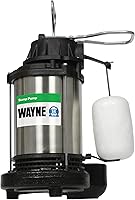
The Wayne CDU800 is a 1/2 HP submersible pump with a vertical float switch and top suction design. Its stated warranty is 3 years, which is separate from the pump's expected service life.
If you hear persistent rattling or smell an unpleasant odor, check why a sump pump smells for possible causes. A new smell by itself doesn't mean the pump has reached the end of its life.
Does a backup pump last as long as the main pump?
A backup pump is a separate layer of protection, and it also needs regular checks. Don't assume it will work in an outage just because the primary pump is running normally.
The Basement Watchdog Special CONNECT is a battery backup system with a controller, charger, dual float switch, pump, and battery box; the battery is sold separately. Its control panel provides warning lights and maintenance instructions, and a sensor monitors battery fluid levels.
Follow the system's instructions to check its battery and test operation. If you are deciding whether the added protection fits your home, read whether a battery backup sump pump is worth it.
When should you replace a sump pump?
Replace a pump when it repeatedly fails, can't keep up with water entering the pit, or costs more to repair than to replace. If it's nearing 10 years and showing warning signs, make a plan before the next period of heavy rain.
Match the replacement to the pit and the amount of water it needs to move. A higher horsepower rating alone doesn't guarantee a better fit; discharge height, float clearance, and cycling also matter.
The Liberty Pumps ALM-2-1 is a high water alarm with a float switch, warning light, and audible alarm. It can alert you to rising water, but an alarm doesn't remove water or replace a working pump.
How can you reduce the risk of a sudden failure?
Test the pump, check the float and discharge, and keep a backup plan for outages. A short inspection before storm season is easier than discovering a failure when the pit is already filling.
A working alarm can alert you to a high water condition. Pair it with a tested primary pump and, where needed, a backup system that has a charged battery.
For a replacement decision, use this rule: keep a pump that starts, moves water, and shuts off reliably; investigate recurring problems; replace an aging pump that has begun to fail. Start with testing your sump pump and compare replacement options in the sump pump buying guide.
Frequently asked questions
How long do sump pumps last on average?
Many sump pumps generally last about 7 to 10 years, but the actual service life depends on how often the pump runs, water and debris in the pit, installation, and upkeep. Check it on a regular schedule and pay attention to slow drainage, unusual sounds, or repeated cycling.
Should I replace a sump pump after 10 years?
Age alone doesn't prove a sump pump has failed, but a pump around 10 years old deserves closer inspection and a replacement plan. If it struggles to start, runs longer than usual, or has needed repeated repairs, replacing it before the next major storm may reduce the chance of an unexpected failure.
Does frequent cycling shorten a sump pump's life?
Frequent starts can add wear because the motor and switch cycle more often. First check whether the pit is filling quickly, the float moves freely, and the discharge line is clear; a pump that starts every few minutes may point to a water or setup issue, not only an aging pump.
How can I tell if my sump pump is failing?
Warning signs include a pump that won't start, runs continuously, makes new grinding or rattling sounds, or leaves water rising in the pit. Test it safely with water and confirm the discharge flows away from the foundation; call a plumber if wiring, the outlet, or the pump itself seems damaged.