Why Does My Sump Pump Smell?
A sump pump can smell when water or debris sits in the pit, a drain connection lets sewer gas through, or the pit cover has gaps. The odor can help narrow down the cause, but a strong rotten egg or sewer smell needs careful attention.
On this page (7 sections)
A sump pump can smell when water or debris sits in the pit, a drain connection lets sewer gas through, or the pit cover has gaps. The smell can point you toward a cause, but it can't diagnose one; strong sewer or rotten egg odors deserve prompt attention.
First, notice when the odor appears and where it is strongest. Don't lean over an open pit or try to mask a strong smell with cleaner or fragrance.
Why does my sump pump smell like sewer?
A sewer smell near a sump pit may come from a poor seal, a drain connection, or a separate plumbing issue. The pump may simply be near the source rather than causing it.
Check whether the odor is stronger around a floor drain, sink, toilet, or other plumbing fixture. A dry drain trap can let odors into a room, while a bad connection or damaged pipe needs a plumber to inspect it.
A sump system should not be used to route sewage. If you aren't sure how the pit connects to your home's plumbing, don't disconnect pipes or change the setup yourself.
For a clear sewer odor that persists, call a licensed plumber. If the smell is strong or makes anyone feel unwell, leave the area and seek professional help.
What does a rotten egg smell mean?
A rotten egg odor can come from sulfur compounds or sewer gas, but smell alone can't identify the source or tell you what is in the air. Treat a strong or worsening odor cautiously.
Don't smoke, light a flame, or use equipment that could create a spark near a suspected gas source. Leave the area if the odor is intense or anyone develops symptoms, and contact emergency services or a qualified professional as appropriate.
The CDC's hydrogen sulfide guidance explains why a rotten egg smell should be taken seriously. Don't open the pit to investigate a strong odor.
Why does the sump pit smell musty?
A musty smell often points to dampness, standing water, or organic debris, though it doesn't confirm any one cause. Check the surrounding basement for wet materials, visible leaks, or water that stays in the pit between pump cycles.
If you can inspect safely from above, look for leaves or other loose debris near the surface. Don't reach into the pit or touch the pump while it is powered; follow the pump manual for safe maintenance.
If water remains high or the pump doesn't seem to run when needed, see how to test a sump pump. For frequent cycling or water that keeps returning, how often a sump pump should run can help you spot a pattern to describe to a plumber.
Can a sump basin cover help with odors?
A well-fitted cover can help limit odors escaping from the pit, but it won't repair a plumbing leak or remove the source of a sewer smell. Check that the cover suits your basin and has openings for the pipes and cords in your setup.
The Jackel Original Radon/Sump Dome is designed for passive radon mitigation and retrofits or repairs older sump or sewage basin covers. Its side discharge and vent openings mean the fit and sealing still need to match your system.
Jackel also makes a Sump Basin Cover with discharge and vent flanges, an access cover, and a cord grommet. Confirm the cover dimensions and basin fit before choosing it.
Don't block a vent or seal an opening in a way that conflicts with your pump or radon system instructions. If the cover is cracked, loose, or missing, ask a plumber or radon professional what replacement suits the installation.
Could the check valve cause a sump pump smell?
A check valve usually controls water flowing back down the discharge line after the pump stops. A noisy or worn valve may need attention, but a sewer odor calls for checking the plumbing and pit seal too.
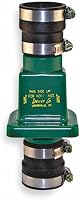
Zoeller's 30-0040 Quiet Check Valve is a 1-1/2 in PVC valve with unions and a spring-loaded flapper. Its design is intended to reduce water hammer and pump noise as the pump shuts off; it is not an odor treatment.
Have a plumber confirm the valve size, direction, and installation position before replacing it. For placement basics, see where a sump pump check valve goes.
What should you check before calling a plumber?
Note when the smell starts, where it's strongest, and whether the pump is running. This can help a plumber distinguish a pit odor from an issue at a nearby drain or discharge line.
From a safe distance, look for a loose or damaged cover, visible debris, damp flooring, or a pump that isn't cycling normally. Don't pour bleach or other chemicals into the pit, and don't dismantle plumbing to search for a leak.
If the pump is old or has other problems, how long sump pumps last can help you consider whether inspection or replacement is due. A persistent odor still needs its own diagnosis.
When should you get help for a sump pump smell?
Call a plumber for a persistent sewer smell, a suspected pipe or drain connection problem, or an odor you can't trace safely. Leave the area and seek urgent help for a strong rotten egg odor or symptoms such as dizziness or nausea.
For a mild musty smell, look for damp materials and visible debris without reaching into the pit. If the smell returns after the area dries or the pump continues to act oddly, arrange an inspection instead of trying to cover the odor.
Frequently asked questions
Why does my sump pump smell like sewer?
A sewer smell near a sump pit may come from a poor seal, a drain connection, or another plumbing issue that lets odor into the basement. Don't assume the pump itself is the cause.
Keep people away from a strong or worsening odor, avoid flames, and call a plumber to find the source.
Why does my sump pump smell like rotten eggs?
A rotten egg odor can come from sewer gas or sulfur compounds, and smell alone can't identify the gas or its source. Leave the area if the odor is strong or causes symptoms, then contact a qualified professional.
Don't open a pit or try to cover up a persistent smell.
Can I pour bleach into my sump pit?
Don't pour bleach or other cleaners into a sump pit unless the pump and plumbing instructions specifically allow it. Chemicals can damage equipment or create hazardous reactions if mixed with other products.
Remove only loose debris you can reach safely, and ask a plumber how to clean a pit with a persistent odor.
Can a sump pump cover stop bad smells?
A properly fitted cover may help contain odors coming from the pit, but it won't fix a leaking sewer line, a dry trap, or another plumbing problem. Check that the cover is made for your basin and that openings for cords and pipes are sealed as intended.
Have persistent sewer odors inspected.