How Does a Sump Pump Work?
A sump pump works by collecting groundwater in a pit, switching on when water lifts a float, and pumping it through a discharge pipe away from the house. A check valve helps stop discharged water from flowing back into the pit.
On this page (7 sections)
- How does a sump pump work in a basement?
- What does each part of the sump pump system do?
- Where does the sump pump send the water?
- What happens when the sump pump turns off?
- What happens if the power goes out?
- How can you tell whether the system is working?
- What should you remember about how a sump pump works?
A sump pump works by collecting groundwater in a pit, switching on when water lifts a float, and pumping it through a discharge pipe away from the house. A check valve helps stop discharged water from flowing back into the pit.
The system has a few connected parts: a basin or pit, a pump, a float switch, a discharge line, and often a check valve. When the water level falls, the switch turns the pump off so it can wait for the next rise.
How does a sump pump work in a basement?
Water drains into the sump pit, lifts the float switch, and triggers the pump. The pump pushes that water through a discharge line to an outlet away from the home.
The pit sits at a low point where water can collect. As groundwater or seepage raises the level, the pump's switch signals it to start.
Once the water drops below the switch's shutoff point, the pump stops.
A sump pump doesn't dry out the soil around the house or prevent every source of moisture. It manages water that reaches the basin, so a clear pit and discharge route matter.
What does each part of the sump pump system do?
The pit gathers water, the float senses its level, and the pump moves it out. The discharge pipe carries water away, while a check valve helps limit backflow.
What happens inside the pit?
The pit gives incoming water a place to collect below the basement floor. The pump sits in or near the basin, depending on whether it's a submersible or pedestal design.
Keep the area around the pump clear so the switch can move freely. The right basin size and pump placement depend on the equipment and the space; our guide to how deep a sump pit should be covers pit dimensions.
How does the float switch control the pump?
A float rises with the water and starts the pump at a set level. It drops as water leaves the pit, then switches the pump off at its shutoff level.
A vertical float moves up and down beside the pump. A tethered float swings as the water rises, so it needs enough open space to move without catching on the pit wall, piping, or pump.
The Wayne CDU790 has an integrated vertical float switch. The Red Lion RL-SP33PED uses an adjustable snap-action float switch that starts at 8 to 10 inches and shuts off at 3 to 5 inches.
Choose a switch style that fits the pit and can move without obstruction. See tethered vs. vertical float switches for how the two styles differ.
What does the pump do when it turns on?
The pump draws water from the pit and pushes it into the discharge pipe. Its motor and pump design create the flow that carries water out of the basement.
A submersible pump sits in the water. A pedestal pump has its motor above the pit, with the pump intake lower down.
The Wayne CDU790 is a submersible model, while the Red Lion RL-SP33PED is a pedestal model.
A pump's rated capacity doesn't tell you exactly how much water it will move in your home. Lift height, pipe setup, and other conditions affect flow, so compare pump options with the requirements of your pit and discharge route.
Why is there a check valve in the discharge line?
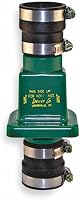
A check valve helps keep water in the discharge pipe from flowing back into the pit. It allows water to travel out while limiting reverse flow after the pump stops.
The valve needs to match the pipe diameter and installation. The Zoeller 30-0181 is a 1-1/2 in PVC check valve that can be installed vertically or horizontally.
Placement affects how the valve fits into the system. See where a sump pump check valve goes before planning a replacement.
Where does the sump pump send the water?
The discharge pipe carries water from the pump to an outlet away from the foundation. The outlet should direct water to a suitable drainage area without sending it back toward the basement.
The pipe route and permitted outlet depend on local requirements and the home's drainage setup. Check local rules before changing where the discharge ends, and keep the outlet clear of debris, snow, or other blockages.
A check valve sits along the discharge line to limit water returning to the pit. Use a valve that fits the pipe and follow its installation instructions.
What happens when the sump pump turns off?
The float drops as the pit empties, and the switch stops the pump. Water remaining in the discharge pipe may fall back toward the valve, which helps limit its return to the basin.
After stopping, the pump waits until the water level rises enough to activate the switch again. How often that happens depends on how much water reaches the pit and how quickly the pump can move it away.
A pump that starts and stops unusually often may have a switch, pit, or water-flow issue. Our guide to how often a sump pump should run explains common cycling patterns.
What happens if the power goes out?
A corded electric sump pump stops when it loses power. If basement flooding is a concern during outages, consider a backup system that fits the pump and household needs.
A battery backup can provide another way to move water during a power interruption, but it has its own battery and maintenance needs. Learn what to compare in our guide to battery backup sump pumps.
The Superior Pump 92005 is a tethered float switch for compatible sump and utility pumps. Its 25 ft cord may be useful when replacing a compatible switch, but check pump compatibility and installation requirements first.
A float switch doesn't provide backup power by itself. For early warning if water rises too high, see sump pump alarms.
How can you tell whether the system is working?
Check that the pit is clear, the float moves freely, and the discharge outlet isn't blocked. Follow the pump maker's instructions when checking operation.
Keep cords and electrical connections dry. Don't reach into a pit with an energized pump, and don't alter wiring or plumbing unless you know the system and local requirements.
A simple check involves adding water to the pit only if the pump instructions allow it, then observing whether the float activates the pump and whether water exits at the outlet. Our guide to how to test a sump pump walks through a safer check.
What should you remember about how a sump pump works?
A sump pump collects water in a pit, uses a float switch to start and stop, and sends water through a discharge line away from the home. The check valve helps limit water returning through the pipe after the pump stops.
Start with the pit and float if the pump's cycle seems unusual, then check that the discharge outlet is clear. If you're choosing equipment, compare the sump pump buying guide for pump, backup, valve, and care considerations.
Frequently asked questions
How does a sump pump work in a basement?
A sump pump collects water in a pit, then a float switch starts the pump as the water rises. The pump moves water through a discharge pipe to a suitable drainage area away from the foundation.
A check valve helps keep water in the pipe from flowing back into the pit.
What turns a sump pump on and off?
A float switch usually controls an automatic sump pump. As water rises, the float reaches its activation point and starts the pump; as the pit empties, the float drops and switches it off.
The exact on and off levels depend on the pump and switch design.
Where does sump pump water go?
The discharge pipe carries water away from the home to an approved drainage location. The right outlet depends on local rules and the home's drainage setup.
Keep the outlet clear and far enough from the foundation that water won't immediately run back toward the sump pit.
What does a sump pump check valve do?
A check valve lets pumped water travel out through the discharge line and helps prevent it from flowing back down when the pump stops. Without one, returning water can add to the water in the pit and cause another cycle.
Match the valve to the pipe and installation.