How Long Can a Sump Pump Run Continuously?
A sump pump can run continuously as long as water keeps entering the pit, but nonstop operation for hours after water levels drop needs attention. Check the float, discharge line, and power, then call a plumber if the pump keeps running without a clear cause.
On this page (8 sections)
- How long can a sump pump run continuously?
- Why does a sump pump keep running?
- What should you check when the pump won't stop?
- Can a pump monitor help spot long run times?
- Which pumps suit long periods of water removal?
- What if the pump runs during a power outage?
- When should you call a plumber?
- How long should you let a sump pump run?
A sump pump can run continuously while water keeps entering the pit, but it should stop once the water falls below the float switch's shutoff level. If it keeps running for hours after the pit is low, check for a stuck float, a blocked discharge, or a pump that cannot keep up.
Rain and groundwater can keep a pump busy for a long stretch. The key is whether it is moving water and lowering the pit level, or running without a useful break.
How long can a sump pump run continuously?
There is no single safe time limit for every sump pump. A pump may run for hours during heavy rain if water continues flowing into the pit and the pump can move it out.
A long run is more concerning when the pit is nearly empty, the pump sounds different, or water keeps returning to the pit. Don't leave a pump running dry while you wait to see whether it stops.
Runtime also depends on the pump's capacity, lift height, discharge setup, and incoming water. For normal patterns and frequent cycling, see how often a sump pump should run.
Why does a sump pump keep running?
A pump that won't stop usually has ongoing water inflow or a control or discharge problem. Watch the water level while the pump runs, then check the float and outlet without reaching into the pit.
Can heavy rain make a sump pump run nonstop?
Yes, heavy rain or a high water table can keep water flowing into the pit. If the pump lowers the water while it runs and the outlet carries water away from the house, the long runtime may match the conditions.
Make sure the discharge outlet is not blocked by debris, ice, or a closed valve. The water should drain away from the foundation rather than flow back toward it.
If the pump runs but the water level does not fall, the inflow may exceed its capacity, or the discharge line may be restricted. A plumber can help identify the cause before water reaches the basement floor.
Could a stuck float keep the pump on?
Yes, a float caught against the pit wall or discharge pipe may stay in the on position. Turn off power before inspecting the pit, and follow the pump manual's safety steps.
Look for a float that cannot rise and fall freely. Don't force it, lean into the pit, or handle electrical parts while standing in water.
A tethered float needs room to move, while a vertical float needs clear travel along its guide. If you're comparing those designs, read tethered vs vertical float switches.
Can a check valve cause continuous operation?
A failed or missing check valve can let discharged water flow back into the pit. That returning water may trigger another cycle soon after the pump stops.
Listen for water rushing back through the pipe when the motor shuts off. The valve's position and condition matter, so use where a sump pump check valve goes as a reference before arranging a repair.
Don't cut or open a discharge line while the pump is powered. A plumber can check the valve and pipe if water repeatedly returns.
What should you check when the pump won't stop?
Start with the water level, then check for a free float and a clear discharge outlet. Keep your hands away from moving parts and electrical connections.
- Notice whether water is still entering the pit.
- Watch whether the pump lowers the water level.
- Check from outside the pit for a float caught on an obstruction.
- Look at the discharge outlet for visible blockage or water flowing back.
- Listen for unusual grinding, buzzing, or a hot electrical smell.
Stop if you see damaged wiring, smell burning, or find standing water around the outlet or plug. Contact a qualified plumber or electrician rather than touching wet electrical equipment.
For a safe routine inspection before a storm, see how to test a sump pump. If the pump is old or has repeated failures, how long sump pumps last can help you plan the next step.
Can a pump monitor help spot long run times?
A monitor can help you notice unusually long cycles, power loss, or overload alerts. It won't clear a clog or replace a working pump.
The PumpFuse WiFi Sump Pump Monitor tracks runtime and power use and sends alerts for issues such as short or long cycles, dry runs, and power loss. It uses an app and needs WiFi.
Skip a monitor if you don't want app alerts or don't have reliable WiFi near the pump. Check the device instructions and keep electrical components dry.
Which pumps suit long periods of water removal?
A pump with capacity suited to your inflow and discharge lift is better prepared for demanding conditions. A higher horsepower rating alone doesn't show how long it can safely run in your pit.
The Wayne CDU980E is a 3/4 HP submersible pump with a vertical float switch and a stated capacity of up to 5,490 gallons per hour. That capacity can be relevant where water enters quickly, but your actual flow depends on lift and plumbing.
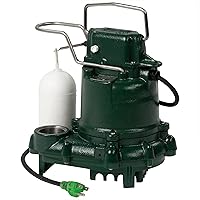
The Zoeller M98 is a 1/2 HP automatic pump with a snap action float switch and a stated capacity of up to 4,320 gallons per hour. Its LED power plug makes it possible to check for power at a glance.
Compare pump capacity with your pit, lift, and pipe setup before replacing a pump. Our sump pump buying guide explains the main choices.
What if the pump runs during a power outage?
A primary pump cannot run without power, so a backup system can help when the outage happens during flooding. Check that the backup is installed and maintained according to its instructions.
The Basement Watchdog Special CONNECT includes a controller, charger, dual float switch, pump, and battery box; the battery is sold separately. It can move 2,500 gallons per hour at 0 ft of lift and 1,730 gallons per hour at 10 ft of lift.
A backup does not fix a blocked line or a primary pump that cannot keep up. Read whether a battery backup sump pump is worth it to weigh the added protection for your home.
When should you call a plumber?
Call a plumber if the pump keeps running with a low pit, cannot lower the water, or the basement is taking on water. Get help quickly if the pump is hot, smells burnt, or makes a new grinding noise.
Don't wait for a complete failure during a storm. If you can safely observe the pump, note how high the water is, whether it falls during operation, and whether water returns after the motor stops.
For a pump that runs only during periods of heavy inflow and then shuts off, keep watching its pattern and check the discharge outlet after the weather clears. If the behavior changes, investigate it before the next storm.
How long should you let a sump pump run?
Let it run while it is moving incoming water and lowering the pit level. If it continues after the pit falls, first check the float and discharge path, then call for help if the cause isn't clear.
Choose a pump based on the water your basement sees and the lift in your discharge line. For backup planning during outages, compare the best battery backup sump pumps with your primary pump and power needs.
Frequently asked questions
Can a sump pump run all day?
It can run for long periods if water continues to flow into the pit, such as during heavy rain or a high water table. If it runs all day after the pit level falls, check whether the float is stuck, the pump is undersized for the inflow, or the discharge water is returning.
A plumber can diagnose persistent cycling.
Should I turn off a sump pump that keeps running?
Don't switch it off while water is entering the pit, since that may lead to basement flooding. If the pump is running dry, overheating, making unusual noises, or the pit is nearly empty, disconnect power only if you can do so safely and contact a plumber.
Keep clear of standing water near electrical equipment.
Why does my sump pump run continuously in heavy rain?
Heavy rain can send water into the sump faster and for longer than usual, so extended operation may be expected. Check that the discharge outlet is clear and water is carried away from the foundation.
If the pump cannot lower the pit level or the basement is taking on water, seek help promptly.
Can continuous running damage a sump pump?
Long run time can add wear and heat, especially if the pump is running without water or cycling because of a fault. The risk depends on the pump, water flow, and condition of its switch and discharge line.
Follow the pump manual and investigate operation that continues after the pit is low.