How to Fix a Sump Pump Running Constantly
A sump pump runs constantly when its float switch stays tripped, water drains back into the pit, or the pump can't keep up with inflow. Fix it by checking the float first, then the check valve, then the pit and the pump's size.
On this page (9 sections)
- Why is my sump pump running constantly?
- Is the float switch stuck or set wrong?
- Is water draining back into the pit?
- Is the pit filling faster than the pump can drain it?
- What if the pump runs even when the pit is dry?
- How do I check and adjust the pump's settings?
- When should you replace the pump instead of the switch?
- How often should a healthy sump pump run?
- Which fix should you try first?
A sump pump runs constantly when its float switch stays tripped, water drains back into the pit, or the pump can't keep up with how much water arrives. Fix it by checking the float first, then the check valve, then the pit and the pump's size.
Most constant-running problems come from one of those four, and you can usually narrow it down in a few minutes.
A pump that never shuts off wastes power and wears out its motor. It also hides a real issue, so work through the causes in order rather than replacing parts at random.
Why is my sump pump running constantly?
The pump runs constantly because something tells it water is still high, or water keeps coming back. The float switch is the usual culprit, followed by a failed check valve and a pump that's too small for the inflow.
Start with the simple checks. Watch the pit for a full cycle and note when the pump starts and stops.
If it never stops, the float or switch is stuck in the "on" position. If it stops, then starts again within seconds, water is flowing back in.
If it runs long after rain ends, the pump may be undersized or the pit is draining poorly.
Keep a dry, safe distance from the pit and never reach into standing water with the pump plugged in. Shut off power at the breaker before touching any switch or float.
That one habit prevents most electrical hazards during this repair.
Is the float switch stuck or set wrong?
A float that stays up keeps the pump on. Lift the float by hand with the power off and listen as you lower it.
A float that won't drop or feels stiff is jammed, and a float set too low restarts the pump on tiny water changes.
Mechanical floats can snag on the pit wall, a discharge pipe, or debris. Free the float and give it clear space to travel.
If the pit is narrow, reposition the pump so the float swings freely. A float set to turn on at a very low level makes the pump cycle on almost constantly, so raise the "on" point a little if your pit allows.
Also check the tether. A short tether keeps the float from dropping fully, so the pump never gets its off signal.
Lengthen it or reset the float's position per the pump's instructions.
Can a replacement switch stop the constant cycling?
Yes. A worn mechanical float that keeps sticking is worth replacing with an electronic switch that reads water level without moving parts.
The HydroCheck HC6000v2 uses a dual-sensor design that starts and stops the pump at set high and low water points.
Its built-in alarms sound for high water or a pump fault, so you hear about a problem before the basement floods. HydroCheck says the switch is tested for more than 1 million cycles.
It fits compact pits and replaces a standard switch, though you'll need to match it to your pump's voltage and wiring. Pick this if your current float keeps sticking or you want an alarm built in.
Is water draining back into the pit?
Water flowing back through the discharge pipe is the second most common cause of short cycling. Without a working check valve, the column of water above the pump falls back into the pit after each run, so the pump restarts to clear it again.
Listen right after the pump stops. A gurgling or splashing sound in the pit means water is returning.
A check valve holds that water in the pipe so the pit stays low until new water arrives. Inspect the valve for a stuck-open flap, a missing valve, or a valve installed backward.
If your pump has no check valve at all, adding one usually fixes the constant restarting.
Which check valve fits most sump pumps?
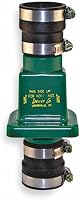
The Wayne 1-1/2 in Check Valve Kit is built for Wayne sump and sewage pumps. It uses a threaded PVC body that fits 1-1/2 inch discharge pipe.
Install it above the pump and below the point where the pipe leaves the pit. Check that your discharge pipe is 1-1/2 inch threaded and that the valve's flow arrow points away from the pump.
If your pump uses a different pipe size, match the valve to that size instead.
Is the pit filling faster than the pump can drain it?
When the pit refills quickly, the pump runs nonstop because it's undersized or the water table is high. A 1/3 hp pump handles many basements, but a large inflow or a long discharge run needs more power.
Check the discharge line for kinks, a frozen section, or a clogged end. A blocked line slows the outflow and keeps the pump fighting the same water.
Clear the line and test the cycle again.
Look at the pit depth and the float travel. If the pit is shallow, the float can hit its "on" point almost as soon as the pump stops, so the pump cycles rapidly.
A deeper pit or a switch with adjustable points helps. If the pump still can't clear the pit during heavy rain, it may be time to size up.
What if the pump runs even when the pit is dry?
A pump that runs on a dry pit has a switch stuck closed or wired wrong. This is the most urgent case, because a dry-running pump overheats and can fail.
Shut off power first. Test the switch by lifting and lowering the float; the pump should respond.
If it stays on with the float down, replace the switch. Check the wiring for a bypass or a stuck contactor on a floatless model.
A dry pit with a running pump points to the switch or wiring, not the water supply.
When is a vertical float the right replacement?
A vertical float moves up and down a fixed rod, which suits pits where a tether float snags. The FLUENTPOWER Vertical Sump Pump Float Switch uses a piggyback plug so a compatible pump can connect through it.
It includes mounting brackets and a hose clamp so you can fix the float beside the pump or discharge pipe. The 10 ft cord gives reach to the outlet.
This is a control accessory, not a pump or an alarm. Confirm your pump's plug fits the piggyback outlet and that the voltage matches before installing.
How do I check and adjust the pump's settings?
Set the float so the pump starts before water reaches the basement floor and stops before the motor runs dry. That window keeps the pump cycling normally instead of constantly.
With the power off, adjust the float height or tether so the "on" level sits below the pit rim. Leave enough water at the "off" point to keep the pump primed.
Test a full cycle and time how long the pump runs and rests. If the pump still cycles every few seconds, recheck the check valve and discharge line before changing the settings again.
When should you replace the pump instead of the switch?
Replace the pump when the motor is noisy, old, or can't clear the pit even after the float and valve are fixed. A switch swap won't fix a worn impeller or a motor that keeps tripping.
Signs the pump is near the end include grinding or rattling sounds, repeated breaker trips, and water left standing after a full cycle. Constant running itself shortens pump life, so a pump that's been cycling hard for a long time is a candidate for replacement.
Our guide to how long sump pumps last can help you judge the age. If the pump is fairly new and the switch or valve is the only problem, fix those first.
How often should a healthy sump pump run?
A healthy pump runs in short bursts during wet weather and sits idle when the pit is dry. How often depends on the water table, rainfall, and how fast the pit refills.
During a storm, a pump may run frequently while groundwater keeps arriving. That's normal for a working pump.
What isn't normal is running all day on a dry pit or restarting within seconds every time. For typical cycle patterns, see how often should a sump pump run.
A pump that's cycling hard for a long time may be wearing out, so read how long can a sump pump run continuously to judge when to step in.
Which fix should you try first?
Check the float switch first, then the check valve, then the pit and the pump size. Most constant-running problems are solved by one of those three fixes, and none requires buying a pump.
Work in that order. Free or replace a stuck float, fit a working check valve so water stays in the pipe, and clear the discharge line.
If the pump still can't keep up during storms, size up. A foul smell from the pit is a separate issue, covered in why does my sump pump smell.
If you've tried the float, valve, and pit checks and the pump still runs nonstop, call a plumber before the motor burns out.
Frequently asked questions
Is it bad for a sump pump to run all the time?
Yes. A pump that never shuts off wears out its motor and can overheat or burn out early.
Constant running also points to a real problem, like a stuck float or water flowing back into the pit, so find the cause rather than ignoring it.
How do I know if my float switch is stuck?
Lift the float by hand and listen. If the pump stays on when the float is up, the switch is stuck or wired wrong.
If the pump stays off when the float drops back down, the switch may be jammed or the float is snagged on the pit wall.
Can a bad check valve make a sump pump run constantly?
Yes. Without a working check valve, water in the discharge pipe flows back into the pit after each cycle.
The pump then restarts to clear that same water, over and over.
A stuck-open or missing check valve is a common cause of short cycling.
How long should a sump pump run after a storm?
A pump may run for a while during and after heavy rain while groundwater keeps arriving. Normal short cycles are fine.
But if it runs nonstop for hours with no rain, or runs all day on a dry pit, shut it off and look for the cause.
Should I replace the pump or just the switch?
If the motor and impeller are healthy and only the switch or float is failing, replace the switch. If the pump is old, noisy, or can't clear the pit, replace the whole pump.
Age and repeated overheating help you decide.
What size sump pump do I need?
Match the pump to your pit's depth, the head height to your discharge point, and the water volume you expect. A 1/3 hp pump suits many basements, while a 1/2 hp pump handles more water or longer runs.
Check the flow rate at your discharge height.