How Do You Maintain a Sump Pump?
To maintain a sump pump, test it every few months with a bucket of water, clean the pit and intake screen, and check the discharge pipe and check valve. Watch how often it runs and how long each cycle lasts so a worn pump or stuck float shows up before a storm does.
On this page (9 sections)
- How often should you maintain a sump pump?
- How do you test a sump pump safely?
- What should you check on the float switch and pump?
- How do you keep the sump pit clean?
- How do you check the discharge pipe and check valve?
- How do you spot a pump that is failing?
- When should you replace the pump instead of repairing it?
- How can a monitor help you maintain a sump pump?
- What is the simple sump pump maintenance routine?
To maintain a sump pump, test it every few months with a bucket of water, clean the pit and intake screen, and check the discharge pipe and check valve. Watch how often it runs and how long each cycle lasts so a worn pump or stuck float shows up before a storm does.
A sump pump sits idle for weeks and then works hard during one rainy night. A short maintenance routine keeps it ready for that night, and most of the checks take a few minutes each.
How often should you maintain a sump pump?
Test the pump every three to four months, and do a deeper check each spring before the wet season. If your basement takes on water often, shorten the interval to every two months.
Start with the simple test. Pour a bucket of water into the pit until the float rises, then listen for the pump to start and watch it stop as the water drops.
If it doesn't start, or it runs past the shut-off point, stop and check the float and power first.
Spring is the time for the full job: lift the pump out, clean the pit, inspect the intake screen and check valve, and clear the discharge line. That one yearly session catches most failures before the rainy weeks arrive.
Keep a short log of each test and what you found. A pump that starts running more often than last season is telling you something, and the log makes the change easy to see.
How do you test a sump pump safely?
Test with the pump plugged in and you standing clear of the pit, using water rather than your hand on the float. A correct test shows the pump starting on its own, moving water, and shutting off.
Fill a 5-gallon bucket and pour slowly into the pit. Watch the float rise; a mechanical float should trigger the pump near its set point.
Listen for the pump to run and check that water leaves through the discharge pipe outside.
Let the pit drain until the pump stops. A pump that keeps running after the water is gone has a stuck float or switch and needs attention.
Don't reach into a pit with the pump plugged in. Unplug it at the outlet or breaker before you touch the float, screen or pump body.
If the outlet sits low, move the cord clear of any water first.
What should you check on the float switch and pump?
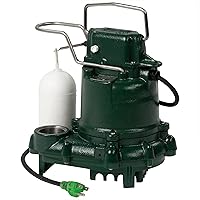
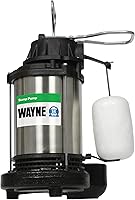
Check that the float moves freely, the switch clicks, and the pump sits upright on a solid base. A float stuck against the pit wall is the most common reason a pump fails to start.
Lift the float by hand with the power off and listen for the switch to click. Then set it back and confirm it drops to its rest position without catching on the cord or the pit edge.
A float that rides high or hangs on debris needs adjusting or replacing.
Look at the pump base too. A pump that has tipped or sits in deep silt can jam.
Clear the sediment under it and set it level on a brick or the pit floor.
Check the cord for cracks and the plug for corrosion. A damaged cord means the pump should come out of service, not just be taped up.
When should you replace a mechanical float switch?
Replace a mechanical float switch when it sticks, stops clicking, or the pump short-cycles. A switch that only works when you jiggle it is already failing.
The HydroCheck HC6000v2 uses a hi-lo dual-sensor design instead of a swinging float. HydroCheck says the sensors optimize pump cycles and the unit is tested for more than 1 million cycles.
It also has built-in alarms for high water and pump faults.
It fits tight pits where a wide float catches on the wall, and its maintenance-free design means no cleaning or moving parts. Match the voltage and wiring to your pump before you swap it in.
How do you keep the sump pit clean?
Remove silt, gravel, and debris from the pit and the pump intake screen, and keep the lid on. A dirty pit wears the pump faster and can jam the float.
With the power off, lift the pump out by its handle and set it in a bucket. Scoop out loose sediment from the pit floor and scrub the walls with a mild vinegar and water mix.
Skip bleach, which can attack seals and rubber parts.
Rinse the intake screen on the bottom of the pump under running water. A screen packed with grit starves the pump and makes it run hot.
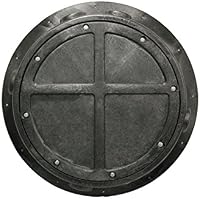
Put the pump back level and test it before replacing the lid. A tight lid keeps dirt and pests out, and it also helps with odors; our guide to why your sump pump smells covers the causes and fixes.
How do you check the discharge pipe and check valve?
Confirm water leaves the pipe outside, the check valve closes, and the line has no leaks or freeze points. A blocked or leaking discharge line is the second most common cause of a pump that runs and runs.
Follow the pipe from the pump to the outside outlet. Look for loose joints, cracks and water stains near the pit.
Clear the outdoor end of leaves, ice and debris so water can actually leave.
The check valve sits on the discharge line and stops water from flowing back into the pit after each cycle. A valve that rattles, leaks back or sticks open makes the pump restart more often.
The Zoeller 30-0181 is a 1-1/2 inch slip x slip valve for a standard discharge line. Its flapper bends over a radius to avoid sharp 90-degree edges, and Zoeller says the design helps reduce water hammer.
It installs vertically or horizontally.
Check the pipe size before you order. A 1-1/4 inch discharge needs a matching valve.
How do you spot a pump that is failing?
Watch run time, cycle frequency and odd noises; a pump that runs longer or more often than last season is wearing out. These signals show up long before the pump quits during a storm.
Count how many times the pump starts during a steady rain. A pump that cycles every minute or two with little water coming in often has a leaking check valve or a float set too low.
Our guide to how often a sump pump should run helps you judge a normal rhythm.
Listen for grinding or rattling. Grit in the intake, a failing bearing or a loose float all make noise that a healthy pump doesn't.
Check how long each cycle lasts. A pump that runs for minutes after the pit is nearly empty may be fighting a blocked line or a worn impeller; our post on how long a sump pump can run continuously explains when a long run is normal and when it isn't.
When should you replace the pump instead of repairing it?
Replace the pump when it's near the end of its service life, runs hot, or fails a test more than once. A pump that has already quit once during a storm is a risk you don't want to repeat.
Most sump pumps last about 7 to 10 years with regular use. Our guide to how long sump pumps last covers the signs that age is catching up, including noisy operation and weaker output.
If the pump is only a few years old and a test fails, check the float, the outlet and the discharge line first. A stuck float or a blocked pipe is cheaper to fix than a new pump.
Replace the check valve along with an old pump. A worn valve on a new pump is a common cause of short cycling in the first weeks.
How can a monitor help you maintain a sump pump?
A monitor tracks power use, run time and cycles so you can see a problem before the basement floods. It doesn't replace the bucket test, but it tells you what happens between tests.
The PumpFuse WiFi monitor plugs in without opening the pit or installing sensors. It auto-calibrates and sends alerts for dry runs, overloads, power loss and short or long cycles.
The app tracks power use, run time, gallons pumped and cost estimates, and PumpFuse says there's no login or subscription.
It also has programmable auto-shutoff and remote control, which can protect a pump from burning out during a stuck-float event. The unit isn't waterproof, so an outdoor install needs a weatherproof enclosure.
Use the monitor's history to spot a slow change, like cycles getting longer over a month. That trend is often the first sign of a clogged line or a weakening pump.
What is the simple sump pump maintenance routine?
For anyone asking how do you maintain a sump pump, the routine is a quarterly water test, a yearly pit cleaning, and a quick look at the discharge line each season. Add a monitor or a new float switch if you want an early warning between checks.
Test with water and the power on, then unplug before you touch the float or pump. Clean the pit and intake screen in spring, and check the check valve and outdoor outlet before the wet months.
If a switch keeps sticking, swap in the HydroCheck dual-sensor unit. If the discharge line rattles or water flows back, fit the Zoeller check valve.
A PumpFuse monitor covers the gaps between your own checks.
The pump only has to work on the worst night of the year. A few minutes of upkeep each season is what keeps it ready for that night.
Frequently asked questions
How often should I replace a sump pump check valve?
Replace the check valve when it leaks back, rattles, sticks open, or the pump short-cycles. Many homes replace it with the pump, but a valve that still seals and closes fully can stay in service longer.
Does vinegar or bleach clean a sump pit?
A mild vinegar and water scrub is enough for most slime and grit; skip bleach because it can damage seals and the pump's rubber parts. Rinse and dry the pit, then test the pump before putting the lid back.
Should a sump pump run all the time?
No. A pump that runs nonstop usually means a stuck float, a blocked discharge line, or water still flowing into the pit.
Shut it off at the breaker and check those three things before restarting it.
Can I test a sump pump without lifting the float?
Yes. Pour a bucket of water into the pit until the float rises on its own; the pump should start and stop as the water level drops.
A manual test with your hand is quicker but tells you less about how the float behaves.
What should I check on a sump pump before a storm?
Before a storm, clear the discharge outlet outside, confirm the float moves freely, and test the pump with water. Check that the backup power or battery is charged and that the pit lid sits flush.