Zoeller M53 Sump Pump Review: Cast Iron Classic (November 2026)
The Zoeller M53 is a solid buy for a typical basement pit thanks to its cast iron housing, non-clogging vortex impeller and automatic float switch. Pick a bigger 1 HP pump for deep pits or heavy inflow, and a pedestal model only if your basin is too narrow for a submersible.
On this page (8 sections)
The Zoeller M53 is a good buy for a standard basement pit, and the cast iron build is the main reason. Its housing, motor and switch case are cast iron, the vortex impeller passes solids instead of choking on them, and the float switch starts the pump without any setup.
If your basin is a normal size and your water load is moderate, this is the pump to shortlist first.
The trade-off is capacity. A 1/3 HP motor and a 19.25 ft maximum lift suit most homes, but a deep pit or fast inflow will outrun it.
The alternatives below cover those cases.
The Zoeller M53 at a glance
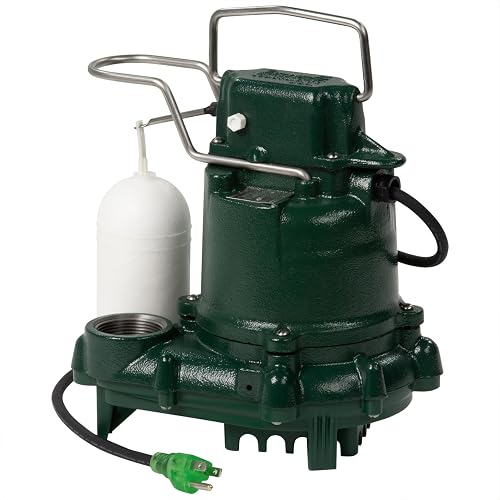
The M53 is a submersible 1/3 HP pump with a cast iron body and a plastic base. Zoeller builds the switch case, motor housing and pump housing from cast iron, then adds stainless steel hardware for the float guard and switch arm.
The pump weighs 21 lb and measures about 10 by 8 by 10 inches.
Zoeller M53 Mighty-Mate 1/3 HP Sump Pump: Best for average basement pits
- 1/3 HP motor
- Cast iron motor, switch case and housing
- Vortex impeller
- Float-activated automatic switch
- 9 ft cord with LED power plug
- 19.25 ft maximum lift
A cast iron submersible pump for a normal basement basin. The vortex impeller moves solids through, and the snap-action float handles automatic starts.
Pros
- Cast iron switch case, motor and pump housing
- Vortex impeller resists clogging
- LED power plug shows power at a glance
- Stainless steel float guard and switch arm
Cons
- Plastic base rather than cast iron
- 1/3 HP limits it to moderate lift and inflow
- Heavier than many plastic-bodied pumps
The automatic float switch is the snap-action type, so the pump starts and stops on its own as the water level rises. A vortex impeller sits at the heart of it, and that design is what lets the pump move water with small solids in it without clogging.
Zoeller also fits an LED power plug on the 9 ft cord, which lights up so you can see at a glance that the outlet has power.
The pump runs on 115 volt AC power and is rated for indoor use, so it belongs in a basement basin rather than an outdoor pit. Zoeller also says each M53 is factory-tested in water before it ships.
The pump carries model number 53-0001 and part number 53-0001.
Our score weighs specs, features and buyer feedback against what you're shopping for. The M53 lands at 9.2 because it does the everyday job well without overreaching.
It isn't the strongest pump here, and it isn't meant to be.
Who should buy the Zoeller M53?
Buy the M53 if you have a standard basement basin and moderate water inflow. A pit roughly 18 inches across and 24 inches deep is the usual home setup, and a 1/3 HP pump like this one handles the typical trickle of groundwater and storm seepage.
It also suits anyone who wants cast iron parts in the wet end. Cast iron housings hold up to years of sitting in water.
If that durability matters more to you than saving a little at checkout, this is the right category, and our guide to cast iron sump pumps covers the wider field.
Skip the M53 if your pit is unusually deep, your inflow is heavy during storms, or you need a pump that runs on battery power. Those buyers should look at the 1 HP option or a backup setup instead.
The M53 also won't suit you if lifting a 21 lb pump out of a deep pit for cleaning is more than you want to manage.
The specs that matter in daily use
The number that matters most is 19.25 ft of maximum lift. That's how high the M53 can push water vertically, and it covers the typical basement discharge run up a wall and out through the rim joist.
Flow falls as lift rises, so a pump rated at one figure at low height moves less water when it has to climb. For a normal one-story discharge, the M53 has enough headroom.
For a tall lift or a long horizontal run, the margin shrinks.
The 1/3 HP motor is the second key figure. It's the common size for residential pits because it balances flow against power draw.
A pump this size starts and stops often during wet weather, so the cast iron motor housing and oil-filled motor help it shed heat across many cycles.
The vortex impeller deserves its own line. Instead of a narrow passage that debris can block, it spins water and solids through a wider opening.
That matters in pits that collect grit, small stones or bits of gravel from the basin floor. The pump handles those solids without a screen to clean or a small inlet to clear.
The plastic base is the one place Zoeller steps away from cast iron. It keeps the pump lighter and gives it a stable footing, but it's the part to watch if your pit floor is rough.
Set the pump on a clean, flat brick or paver if the basin bottom is uneven.
Setting up the Zoeller M53 in your pit
Setup is simple: drop the pump in, connect the discharge and plug it in. The automatic float switch needs no adjustment out of the box, though you can check that it moves freely before you lower the pump.
Start by clearing the pit. Remove silt, gravel and any debris that could jam the impeller or stop the float from rising.
A clean basin is the difference between a pump that lasts and one that trips its overload.
Set the pump upright on a flat surface at the bottom of the pit. If your basin floor is gravel or uneven, rest it on a brick so the base sits level and the intake stays clear.
The pump shouldn't sit in deep silt.
Connect the discharge pipe to the pump outlet and run it up and out of the house. Keep the run as short and straight as you can, and fit a check valve so water doesn't drain back into the pit after each cycle.
A check valve also stops the pump from short-cycling.
Plug the cord into a GFCI outlet. The LED plug should light.
Then pour a bucket of water into the pit and watch the float rise and the pump start, which confirms the switch works before you rely on it. Watch the float through its full travel too, since a float that catches on the pit wall or the discharge pipe will either run the pump dry or leave water sitting.
Care and upkeep for a cast iron pump
The M53 needs little routine care, but a yearly check keeps it reliable. Most failures come from a stuck float or a clogged intake, not from the motor wearing out.
Once a year, unplug the pump and lift it out. Rinse the intake and impeller area, check that the float moves freely on its arm, and clear any grit from the pit floor.
Then run the bucket test again before the wet season.
Keep the pit covered if your basement is dusty. Debris that falls into the basin is what clogs impellers and jams floats.
A tight lid also cuts evaporation and keeps humidity down.
Check the discharge line for ice in winter and for leaves at the outside outlet. A blocked pipe makes the pump run against back pressure, which shortens its life.
Our upkeep and fixes section has more on seasonal checks.
Finally, test the GFCI outlet now and then. The LED plug tells you there's power, but it can't tell you the outlet is safe.
If the light is out after a storm, check the breaker before you assume the pump has failed.
The trade-offs to know before you buy
The main trade-off is capacity versus simplicity. A 1/3 HP pump like the M53 handles ordinary basement duty, but it won't keep up with a pit that fills fast during heavy rain or a discharge run with a lot of lift.
If your pit sits below the water table or your area gets long, soaking storms, the 1/3 HP motor will cycle constantly and still lose ground.
The plastic base is the second point. Cast iron everywhere else means the pump is built for wet service, but the base is the part most likely to crack if it's dropped or set on rough ground.
Handle it carefully during installation.
Weight is the third. At 21 lb, the M53 is heavier than a plastic-bodied pump of the same power.
That's the price of the cast iron housing, and it's worth it for most buyers, but lifting it out for cleaning takes a little more effort.
And it has no backup power. During an outage the M53 stops, which is true of every corded AC pump.
If your area loses power in storms, plan for a battery or water-powered backup alongside it. Our comparison of cast iron vs plastic sump pumps covers the material question in more depth.
Alternatives worth a look
AQUASTRONG 1 HP Sump Pump 4500 GPH
The AQUASTRONG is the pump to pick when the M53 runs out of capacity. It moves up to 4500 GPH at 5 ft of lift and pushes water up to 30 ft vertically, so it suits deep pits, flooded window wells and fast water removal.
Its bottom suction design pulls water down to about 1/5 inch from the surface, and a thermal overload protector shuts the motor off if it runs dry. The casing is reinforced thermoplastic rather than cast iron, so it trades the M53's metal body for more power and less weight.
For a pit that fills quickly, that's the right trade. If you're weighing motor sizes across brands, our roundup of 1/3 hp sump pumps shows what the smaller class offers.
Wayne CDU790 1/3 HP Sump Pump
The Wayne CDU790 is the pick for pits that collect debris. Its top suction design pulls water from above the bottom, which avoids air lock and keeps grit from clogging the intake.
It needs a pit 11 inches across or larger.
The CDU790 uses a cast iron volute and an epoxy coated steel motor housing, plus a vertical float switch tested to 1 million cycles. It's assembled in the USA and carries a 3-year limited warranty.
If your basin floor is always silty, this design keeps the intake clear better than a bottom-drawing pump. It also has a 20 ft maximum lift, slightly more than the M53.
The 1-1/2 inch discharge helps it move its rated 63 gpm without choking on the outlet, though the smaller motor means it still belongs in the same light-duty class as the Zoeller.
Verdict: buy the M53 for a normal basement pit
The Zoeller M53 is the pump to buy for an average basement basin. Its cast iron housing, vortex impeller and automatic float switch do the everyday job without fuss, and the LED plug makes power checks easy.
These Zoeller M53 sump pump reviews point to the same conclusion: it's a dependable 1/3 HP pump for ordinary home duty.
Pick the AQUASTRONG instead if your pit is deep or your inflow is heavy. Pick the Wayne CDU790 if debris at the bottom of the basin is your recurring problem.
And if your pit is too narrow for any submersible, a pedestal sump pump sits outside the water and fits where a submersible won't.
Whichever you choose, size the pump to your pit and your water load first. The M53 rewards that planning with years of quiet, automatic service.
Frequently asked questions
Is the Zoeller M53 a good sump pump?
Yes, for a standard basement basin. It pairs a 1/3 HP motor with a cast iron housing, a vortex impeller that passes solids and an automatic float switch, and Zoeller water-tests every pump before it ships.
What size pit does the Zoeller M53 fit?
The M53 measures about 10 by 8 by 10 inches and weighs 21 pounds, so it needs a basin with enough room to sit upright without pinching the float. Check your pit's inside width and depth against the pump and float travel before you buy.
How much water does the Zoeller M53 move?
Zoeller rates the M53 for a maximum lift of 19.25 feet. Flow drops as the discharge pipe rises, so the actual gallons per minute depend on your lift height and pipe size rather than a single headline figure.
Does the Zoeller M53 come with a battery backup?
No. The M53 is a corded AC pump with a float switch, so it stops during a power outage.
Pair it with a battery backup pump or a water-powered backup if outages are common in your area.
What does the LED plug on the Zoeller M53 do?
The LED power plug lights up to show the pump has power. It doesn't show whether the pump is running or whether the float has tripped, so check the light after outages and storms.


