Do All Homes Have a Sump Pump?
No, not all homes have a sump pump. Most homes with a basement, a high water table, or a history of seepage have one, while homes on well-drained slabs or crawl spaces often don't.
On this page (8 sections)
- Which homes usually have a sump pump?
- How can you tell whether a house has a sump pump?
- Does every basement need a sump pump?
- How does a sump pump fit into a home's drainage?
- How do you pick a pump for a home that has no pit?
- What should you check before installing a new pit?
- When is a sump pump not the right answer?
- What do you do if your home has no sump pump?
No, not all homes have a sump pump. A sump pump is installed only where water needs to be moved away from a foundation, so most of them sit in basements with a high water table or a history of seepage.
Homes on slabs, crawl spaces or well-drained ground often have none.
That short answer matters when you're buying a house or planning a basement remodel. A pump is a water-management tool, not a standard appliance like a furnace.
The rest of this guide covers which homes get one, how to check yours, and what to do when there's no pit.
Which homes usually have a sump pump?
Homes with a basement, a high water table or past seepage usually have one. The pump sits in a pit cut into the lowest floor, collects water that gathers around the foundation, and pushes it away from the house.
Builders fit a pump when the lot drains poorly or the foundation sits close to the water table. Waterproofing contractors also add one when a basement has leaked before.
Homes on a slope with sandy soil often manage without one, because groundwater never collects at the base.
Finished basements are the strongest sign. Carpet, drywall and furniture raise the cost of water damage, so most owners protect the space with a pump.
An unfinished, dry basement on high ground is a fair candidate for having none.
Local codes also play a part. Some towns require a pump when a basement floor sits below the sewer or storm drain level.
That rule alone explains why a neighbor has one and you don't.
How can you tell whether a house has a sump pump?
Look in the basement for a round pit with a lid and a pipe leaving the foundation. The pit is usually 18 to 24 inches across and sits near a wall, often under a utility sink or beside the water heater.
A float switch rises with the water, so you may see a plastic float arm above the lid slot. A power cord running to a nearby outlet confirms an electric pump.
The discharge pipe runs up and out, sometimes into a laundry tub or a floor drain.
If the basement is finished, look for a sealed lid in a closet or a pipe stub on an exterior wall. Ask the seller or landlord directly when the floor is covered.
A wet-vac or a hose can reveal a hidden pit, but only in an unfinished space you own.
Homes without a basement won't have a pump in the usual sense. A crawl space might have a small pump in a shallow pit, but that setup is less common.
Does every basement need a sump pump?
No, but a basement that gets water almost always needs one. A pump only earns its place when water actually reaches the pit.
A dry basement on high ground with a working foundation drain may never need a pump.
You should plan for one when the water table rises in spring, when the floor drain backs up, or when you see damp patches after heavy rain. A pump also helps if your foundation drain empties into the pit rather than to daylight.
If you're finishing a basement, a pump is cheap insurance against the one storm that floods a carpet. In some towns the code requires a pit and pump once a habitable basement sits below the water table.
If your basement stays bone dry through storms, the money may go further on grading and a longer downspout. Our guide to how to determine sump pump size helps you judge the water volume before you buy a pump.
How does a sump pump fit into a home's drainage?
Water flows into the pit, and the pump lifts it out through a discharge pipe. The pit sits at the lowest point of the basement floor, so gravity brings groundwater to it.
A float switch turns the pump on when the water rises and off when it drops.
The discharge pipe carries water up and out, either to the yard or to a storm drain where local rules allow. A check valve on that pipe stops water from draining back into the pit when the pump shuts off.
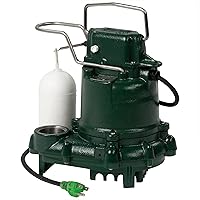
The Zoeller 30-0181 uses 1-1/2 inch slip unions and its flapper bends over a radius to cut water hammer.
Most pits hold a submersible pump below the floor, while a pedestal pump stands on a column above it. Submersible models sit underwater and run quieter.
Pedestal models keep the motor out of the water, which suits narrow pits. Our roundup of the best pedestal sump pump options covers that style.
What does a typical pit look like?
A typical pit is a lined hole in the concrete floor, roughly 18 to 24 inches wide and 24 to 30 inches deep. Gravel sits under the liner so water can seep in from the surrounding soil.
The lid keeps debris, pets and people out of the water. A sealed lid also reduces moisture and radon in the basement.
Some lids have a viewing hole so you can see the water level without lifting the cover.
The discharge pipe leaves the pit near the top. A check valve sits on that line, and a separate hole or grate lets air escape as the water rises.
How do you pick a pump for a home that has no pit?
Start with the water volume and the head height, then choose a pump style. Measure the pit depth you can create, the vertical lift to the discharge point, and the horizontal run.
A 1/2 hp pump handles more water than a 1/3 hp model, but only if the pit and pipe can carry it.
For an average basement with moderate seepage, a 1/3 hp submersible pump is the common choice. The Zoeller M53 is automatic with a float-activated switch, and its cast iron motor and pump housing suit a wet pit.
The vortex impeller passes solids, so grit in the pit won't jam it as easily.
If your pit is wider than 11 inches and the water arrives fast, step up to a 1/2 hp pump. The Wayne CDU800 moves up to 5,100 gallons per hour and uses a vertical float switch.
Its cast iron and steel body suits demanding pits.
Match the pipe to the pump outlet. A 1-1/2 inch discharge is the common standard.
A smaller pipe adds friction and cuts flow. Our best 1/3 hp sump pumps guide compares several models for average basements.
What should you check before installing a new pit?
Confirm the outlet, the discharge route and the pit location first. The pump needs a dedicated ground-fault circuit interrupter outlet within the cord length.
The Zoeller M53's cord runs 9 feet, so the outlet must sit close.
Check where the discharge water will go. It can't flow onto a sidewalk, a neighbor's yard or back against your foundation.
Many towns require it to empty at least a few feet from the wall, or into a storm drain if one is allowed.
Pick the pit spot at the lowest corner of the floor. Water should run toward it, so the floor may need a slight slope.
Keep the pit clear of the furnace, water heater and any future finishing work.
If you rent or live in a condo, get written permission before cutting concrete. Ask a plumber or waterproofing contractor for a quote, since the pit, liner, pipe and electrical work add up.
The pump itself is only part of the job.
When is a sump pump not the right answer?
A pump won't fix a leaking wall, a blocked drain or water running in from outside. If your basement leaks through cracks or the floor edges, sealing those first often costs less than a pump and pit.
A pump also won't help a slab home with no basement or crawl space to collect water. In that case, look at grading, gutters, downspout extensions and foundation sealing instead.
If your existing pump runs constantly, the problem may be the check valve, the float or the pit size rather than the pump itself. A short-cycling pump often points to a failed check valve letting water drain back.
Compare our rated home sump pumps if you're replacing a worn unit.
Skip a pump if the water table is deep and the basement stays dry. Spend the money on drainage first.
A pump belongs where water actually arrives, not as a cure-all for every damp basement.
What do you do if your home has no sump pump?
Decide based on water history, not on what the neighbors have. Do all homes have a sump pump?
No, and yours doesn't need one just because the house next door does.
Check for seepage after storms, look at your lot's drainage and ask whether the basement floor sits below the water table.
If water shows up, plan a pit and pump with a contractor and size the unit to the volume you see. Pick a 1/3 hp submersible for average basements and a 1/2 hp model for larger pits or faster flow.
Fit a check valve on the discharge so water doesn't drain back. If the space stays dry year after year, put the money into gutters, grading and a longer downspout first.
Frequently asked questions
How do I know if my house has a sump pump?
Look in the basement for a round pit in the floor with a pipe running up a wall or out through the foundation. A lid, a float arm or a power cord at the pit confirms a pump is there.
If your home has no basement, you likely have no pump.
Does every house with a basement have a sump pump?
No, but most finished basements have one. Pumps are fitted where the water table is high, where the foundation drains into the floor, or where past seepage has caused dampness.
A dry basement on high ground may never have needed one.
Is a sump pump required by code?
Building codes don't demand a sump pump in every home. Some local rules require one when a basement sits below the water table or when a foundation drain needs help.
Check with your local building department for the rules where you live.
Can I install a sump pump in a house that doesn't have one?
Yes. A plumber or waterproofing contractor can cut a pit into a concrete floor, fit a liner, and run a discharge pipe.
The job needs a power outlet and a safe place for the water to go, so plan both before the pit is cut.